

















In recent years, Manama has become the setting for a series of major tourist initiatives, including the New Year’s Eve 2026 celebration featuring 2,500 drones across eight locations, the Hawa Al Manama festival in the historic soug, and Manama Nights, which has quickly become a Ramadan tradition. Together, these initiatives reflect a broader vision for the capital as a dynamic tourism destination.
In this interview, H.E. Ms Buhiji reflects on Manama’s tourism potential, the thinking behind its signature events, and the city’s evolving cultural identity.
MANAMA HAS HISTORICALLY BEEN VIEWED AS BAHRAIN’S COMMERCIAL AND ADMINISTRATIVE CENTER, BUT YOUR TENURE HAS SEEN IT EMERGE AS A TOURIST DESTINATION. HOW DO YOU ASSESS MANAMA’S UNTAPPED POTENTIAL FOR TOURISM, AND WHAT MAKES THE CAPITAL DISTINCT FROM OTHER GULF CITIES COMPETING FOR THE SAME VISITORS?
Manama’s appeal as a tourism destination comes from the depth of its history and the way that history
remains visible in the fabric of the city. The souq continues to function as a living marketplace rather than a preserved heritage site, reflecting the openness and cultural exchange that have shaped Bahrain for centuries. Experiences like Hawa Al Manama bring those layers to life through exhibitions and performances that allow visitors to encounter the city’s past in ways that feel natural and contemporary.
At the same time, that history sits within a modern city that has evolved significantly over the past two decades. Within a compact area, visitors can move from the traditional streets of the soug to waterfront districts like Bahrain Bay, cultural venues such as the Bahrain National Theatre, and world- class retail destinations like The Avenues. Bahrain’s small scale makes the city easy to navigate and gives Manama a sense of intimacy, where heritage and modern life connect through everyday experiences.
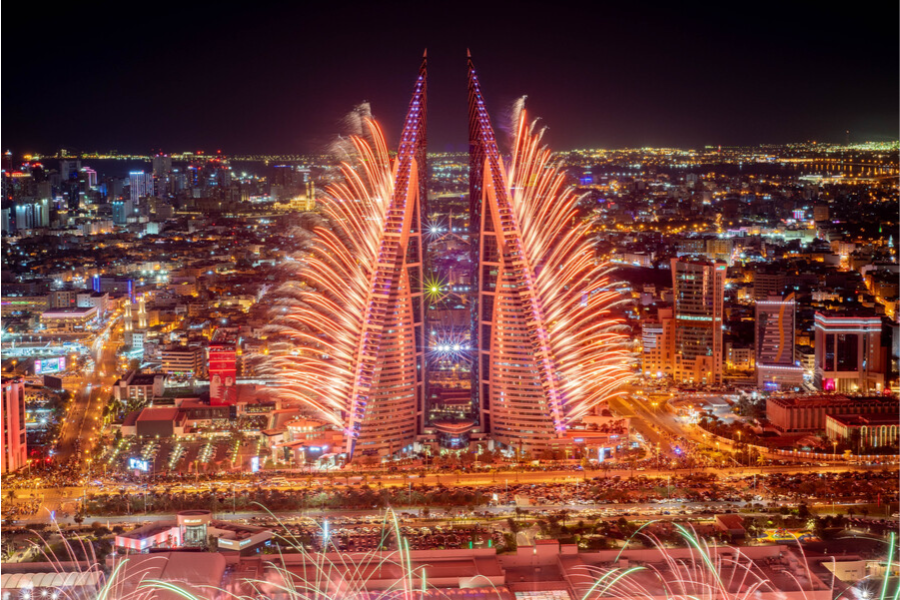
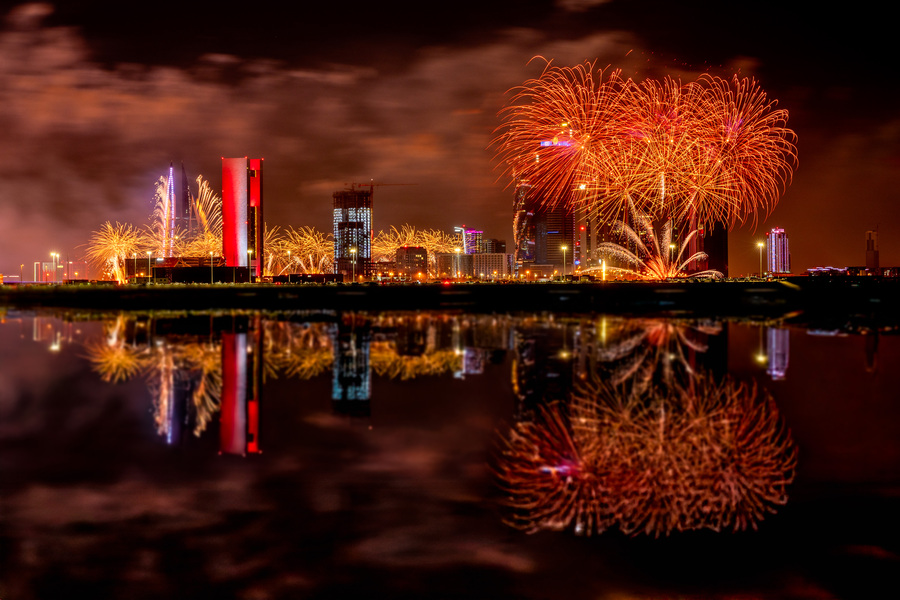
THE NEW YEAR’S EVE 2026 CELEBRATION MARKED THE FINALE OF CELEBRATE BAHRAIN WITH BAHRAIN’S LARGEST-EVER DRONE SHOW-2,500 DRONES ACROSS EIGHT SYNCHRONIZED LOCATIONS IN MANAMA. WHAT DID THIS SPECTACLE ACHIEVE IN TERMS OF POSITIONING MANAMA AS A WORLD-CLASS NEW YEAR’S DESTINATION. AND HOW DO YOU PLAN TO BUILD ON THIS MOMENTUM IN 2027?
The celebration showed that Manama can deliver large-scale public experiences that are visually striking and widely accessible. By staging the finale across several parts of the city, the midnight countdown became a moment people could share from the waterfront, commercial districts, and other public spaces. That approach reinforced the idea of the city itself as the setting for celebration, not just a single venue.
Moments like this move quickly through media and digital platforms, shaping how audiences outside Bahrain see the destination. The scale and coordination of the show highlight our ability to deliver ambitious programming while preserving the Kingdom’s welcoming and inclusive atmosphere. Building on that momentum means continuing to strengthen the broader events calendar so that New
THE DRONE SHOW FEATURED 1.100 “FIRE DRONES” REACHING 400 METERS ALONGSIDE 3D LIGHT PROJECTIONS ON THE FOUR SEASONS FACADE. AS BAHRAIN COMPETES WITH ESTABLISHED NEW YEAR’S DESTINATIONS LIKE DUBAI AND SYDNEY, HOW IMPORTANT ARE THESE TECHNOLOGICAL INNOVATIONS IN CREATING A DISTINCTIVE MANAMA SIGNATURE?
Technology plays a key role in shaping how a city expresses itself during major celebrations, but its real value lies in the atmosphere and identity it helps bring to life. Elements such as coordinated drone displays, projection mapping, and large-scale lighting turn moments like New Year’s Eve into shared experiences that stay with people long after the countdown ends. Used with purpose, these tools give a celebration its own character while reflecting the ambition and creativity of the place hosting it.
For Manama, the focus is not on copying what other global cities already do. Our strength lies in creating a celebration that feels rooted in the city’s identity and scale. Technology supports that approach by turning the waterfront, architecture, and skyline into part of the performance itself. When visitors see the lights and formations unfold across the city, they experience Manama as the stage.
CELEBRATE BAHRAIN’S “LIVE EVERY MOMENT THEME CULMINATED IN THIS NEW YEAR’S SPECTACLE. HOW DO YOU MEASURE THE SUCCESS OF THESE SEASONAL CAMPAIGNS-NOT JUST IN VISITOR NUMBERS, BUT IN SHIFTING GLOBAL PERCEPTIONS OF MANAMA AS A YEAR-ROUND CULTURAL CAPITAL?
Success is measured in several ways, and visitor numbers are only one part of the picture. What matters most is how people experience the city and how those moments shape their perception of Bahrain when they return home. Initiatives like Celebrate Bahrain create experiences across the year, giving visitors new ways to explore the Kingdom beyond a single moment or setting.
When people experience Bahrain through festivals in the historic soug, waterfront events, and cultural programs across the city, they begin to see Manama as a place with a steady cultural rhythm. Over time, that experience shapes how the destination is understood internationally. For us, success is reflected in that shift in perception, when visitors return in different seasons and associate Manama with a vibrant calendar of events.
HAWA AL MANAMA HAS TRANSFORMED MANAMA SOUQ INTO WHAT YOU DESCRIBE AS A “WALKABLE NARRATIVE WHERE HERITAGE, DESIGN AND CONTEMPORARY URBAN LIFE INTERSECT.” WITH 200 BAHRAINI BUSINESSES, 90+ CURATED EXPERIENCES, AND 250+ YOUNG VOLUNTEERS IN ITS SECOND EDITION, WHAT DOES THIS PROJECT REVEAL ABOUT YOUR PHILOSOPHY FOR ACTIVATING HISTORIC URBAN SPACES?
Hawa Al Manama reflects a belief that historic districts should remain living parts of the city rather than spaces set aside simply to be observed. The soug already carries centuries of history within its streets and shops, and initiatives like this bring those layers to life by inviting people to explore and spend time there. As visitors move through the area, taking part in events or stopping into local businesses, the district feels vibrant and engaged. With more than 200 Bahraini businesses and hundreds of young volunteers involved, the project remains rooted in the community while creating opportunities for local entrepreneurs to share their work with a wider audience.
THE FESTIVAL’S PEDESTRIAN-FIRST APPROACH-ALLOCATING 3,000-4,000 PARKING SPACES WITH VALET SERVICE TO KEEP THE SOUQ VEHICLE- FREE-REPRESENTS A BOLD URBAN PLANNING DECISION. HOW IS THIS MODEL INFLUENCING YOUR VISION FOR PERMANENT PEDESTRIANIZATION OF MANAMA’S HISTORIC CORE BEYOND THE FESTIVAL PERIOD?
The festival showed how the soug feels different when its streets are shaped around people on foot rather than traffic. The pace slows, details in the buildings and shopfronts become easier to notice, and visitors tend to spend more time moving between local businesses and cultural spaces. That shift in movement brings back a sense of how historic markets naturally function as places for interaction and exchange. Feedback from visitors and businesses makes it clear that walkability encourages people to cover more ground and stay longer. Insights from initiatives like these help guide how Manama’s historic core continues to evolve as a district that feels active and accessible.
FROM THE HALWA MUSEUM AND KANOO MUSEUM TO THE VINTAGE PHOTOGRAPHY EXHIBITIONS AND CLASSIC CARS, HAWA AL MANAMA IMMERSES VISITORS IN TANGIBLE CULTURAL MEMORY. HOW DO YOU ENSURE THESE EXPERIENCES RESONATE WITH YOUNGER BAHRAINIS WHO MAY NOT HAVE LIVED THROUGH THESE ERAS WHILE REMAINING AUTHENTIC TO THOSE WHO DID?
Younger people tend to connect with heritage more easily when they encounter it naturally rather than through formal introductions. At Hawa Al Manama, visitors might step into the Halwa Museum, notice vintage photographs, or come across classic cars as they move through the souq, discovering these moments while exploring its streets and shops Because these elements sit alongside contemporary design, performances, and everyday activity, the past feels present within the setting itself. Many of the objects and stories come directly from Bahraini families and businesses that have been part of the community for generations, creating moments where older visitors recognize familiar memories while younger Bahrainis discover them for the first time through conversation and shared storytelling.
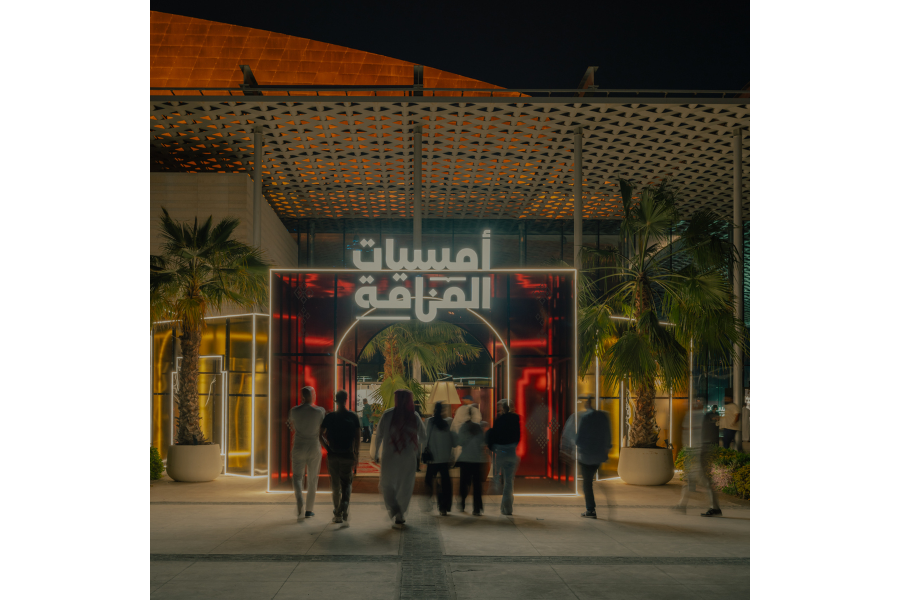
MANAMA NIGHTS IS NOW IN ITS THIRD EDITION AT THE BAHRAIN NATIONAL THEATRE GROUNDS, WITH ITS LAKESIDE SETTING AND CRESCENT LAKE INSTALLATION BECOMING A RAMADAN TRADITION. HOW HAS THIS EVENT EVOLVED TO MEET CHANGING VISITOR EXPECTATIONS WHILE MAINTAINING THE AUTHENTIC “MANAMA SPIRIT” THAT DEFINES IT?
Manama Nights evolved by gradually expanding the experience while preserving the atmosphere that people associate with Ramadan evenings in the city. The setting beside the Bahrain National Theatre and along the water naturally creates a relaxed place for families and friends to gather after iftar, and over time we have introduced more interactive elements that respond to what visitors enjoy. Installations like Crescent Lake have become part of that tradition, giving the event a visual identity while reinforcing the sense of community that defines Ramadan in Bahrain. The goal hast always been to let the event grow organically while keeping the warmth and familiarity that people describe as the spirit of Manama.
THE INTRODUCTION OF HAWA AL MANAMA IN THE OLD SOUQ ALONGSIDE MANAMA NIGHTS CREATES A FASCINATING DIALOGUE BETWEEN NOSTALGIC MEMORY AND CONTEMPORARY CELEBRATION. HOW DO YOU SEE THESE TWO EXPERIENCES- ONE ROOTED IN RAMADAN SPIRITUALITY, THE OTHER IN CULTURAL HERITAGE- COMPLEMENTING EACH OTHER IN TELLING MANAMA’S COMPLETE STORY?
Hawa Al Manama and Manama Nights complement each other because they reflect two different dimensions of the city’s identity. Hawa Al Manama revisits everyday moments from Bahrain’s past, bringing back familiar scenes and objects that many people associate with life in the old souq, while Manama Nights captures the atmosphere of the city during Ramadan, when families and friends gather after sunset and the waterfront comes alive. Experiencing both allows visitors to see how Manama has evolved while remaining connected to the traditions that shaped it, creating a fuller picture of the city’s story.
LOOKING AHEAD FIVE TO TEN YEARS, WHAT IS YOUR ULTIMATE VISION FOR MANAMA AS A GLOBAL EVENTS DESTINATION? DO YOU ENVISION HAWA AL MANAMA EVOLVING INTO A PERMANENT YEAR-ROUND CULTURAL DISTRICT, MANAMA NIGHTS BECOMING A MULTI-WEEK FESTIVAL ATTRACTING INTERNATIONAL VISITORS SPECIFICALLY FOR THE EXPERIENCE, OR PERHAPS ENTIRELY NEW SIGNATURE EVENTS THAT WOULD CEMENT MANAMA’S PLACE ALONGSIDE CITIES LIKE EDINBURGH, VENICE, OR RIO AS A MUST- VISIT TOURISM CAPITAL?
Our goal is to continue letting tourist and cultural experiences unfold across the urban landscape rather than within a single venue or season. Projects like Hawa Al Manama and Manama Nights have shown how different parts of the city, from the historic souq to the waterfront, can become stages for culture and shared experiences. Over time, some of these initiatives may naturally grow into larger traditions, while new ideas will emerge that reflect the city’s evolving character.