


















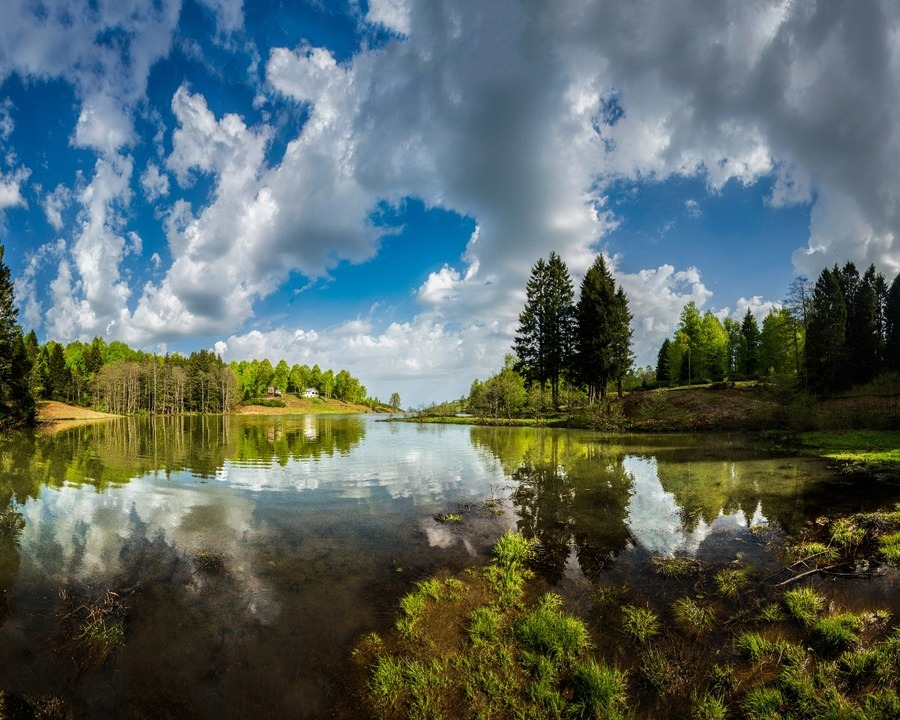
For the discerning traveller, Trabzon offers something increasingly rare: a city where layers of Byzantine, Ottoman, and modern life remain visible, unhurried, and largely uncommercialised. Perched on Turkey’s Black Sea coast, this is not a destination of grand resorts or curated luxury, but of quiet authenticity — a place where history is not staged but simply lived. For Durrah’s readers, Trabzon rewards those who seek depth over spectacle, offering a compact and deeply rewarding journey through faith, craft, and the passage of empires.
The City Centre: Uzun Sokak and the Bazaar Quarter
Begin where the city itself begins — in the pedestrian heart of Trabzon. Uzun Sokak, a 700-metre shopping street closed to traffic since 2008, serves as the city’s social spine, lined with a mix of local shops, pastry cafés, and international brands set against a backdrop of Ottoman-era buildings and modern facades . It is not a site of grand tourism, but of observation: the rhythm of daily life, the smell of fresh bread, the easy commerce of a city that has traded for centuries.
Nearby, the historic Çarşı Camii (Market Mosque) anchors the traditional bazaar district, and a short walk leads to Alaca Han, an 18th-century caravanserai whose single dome and adjacent 1807 mosque give their name to one of the bazaar’s best-preserved streets . The han itself is modest, but the surrounding quarter — particularly at dusk, when uplighting draws out the details of restored stonework — offers a glimpse of the Ottoman commercial world that once connected Trabzon to Persia, the Caucasus, and beyond.
Sumela Monastery: The Cliffside Sanctuary
No visit to Trabzon is complete without the pilgrimage to Sumela Monastery, and for the discerning traveller, it remains the region’s defining experience. Founded, according to tradition, in the 4th century during the reign of Theodosius I, the monastery clings to a sheer cliff face in the Altındere Valley, some 1,200 metres above sea level . The approach itself is part of the ritual — a forest path followed by a narrow staircase leading to the main entrance, where guard rooms and a rock church adorned with frescoes await.
The monastery’s history is one of survival: patronised by the Komnenos dynasty, protected by Ottoman edicts, abandoned after the 1923 population exchange, and reopened to visitors in recent years . The frescoes on the rock church’s courtyard-facing wall date to the reign of Alexios III, while the chapel’s decorations belong to the early 18th century. For the Durrah reader, Sumela offers not merely a monument but a meditation on endurance — faith carved into stone, maintained across empires, and now accessible to those willing to make the climb.
Aya Varvara Church: The Quiet Companion
Just a short distance from Sumela, the tiny Aya Varvara Church is easily overlooked and all the more rewarding for it. Dating to the 18th or 19th century based on its architecture and decoration, this small monastery is believed to have been connected to Sumela — possibly serving as its cemetery area . Enclosed by a protective wall, it consists of a church and the foundations of various other structures. For those who value the intimate over the monumental, Aya Varvara offers a moment of stillness that the larger sites cannot.
Atatürk Mansion: A Window onto the Republic
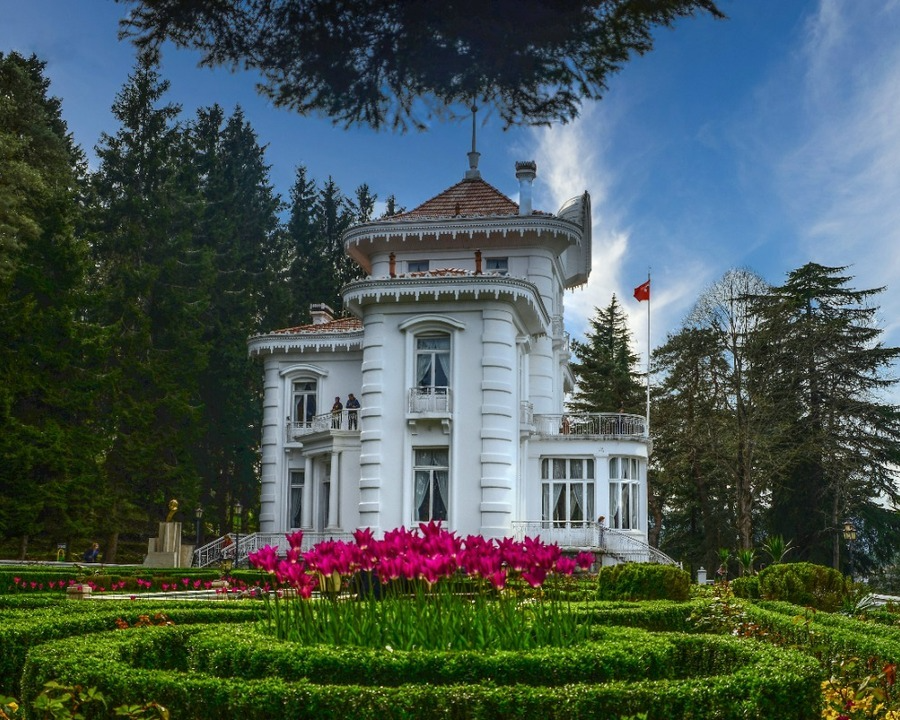
Descending from the mountains, the Atatürk Mansion (Atatürk Köşkü) offers a different kind of history. Built in 1913 as a private residence for a local merchant, the four-storey villa was purchased by the municipality and presented to Mustafa Kemal Atatürk, who stayed there during his visits to Trabzon . Today it operates as a museum, its rooms preserved with period furniture, photographs, and personal belongings. The mansion’s gardens are among the most beautiful in the city, offering a serene counterpoint to the density of the bazaar. For the discerning visitor, it is a reminder that Trabzon’s story is not only one of ancient faith but of modern nationhood.
Hagia Sophia Mosque: The Byzantine Inheritance
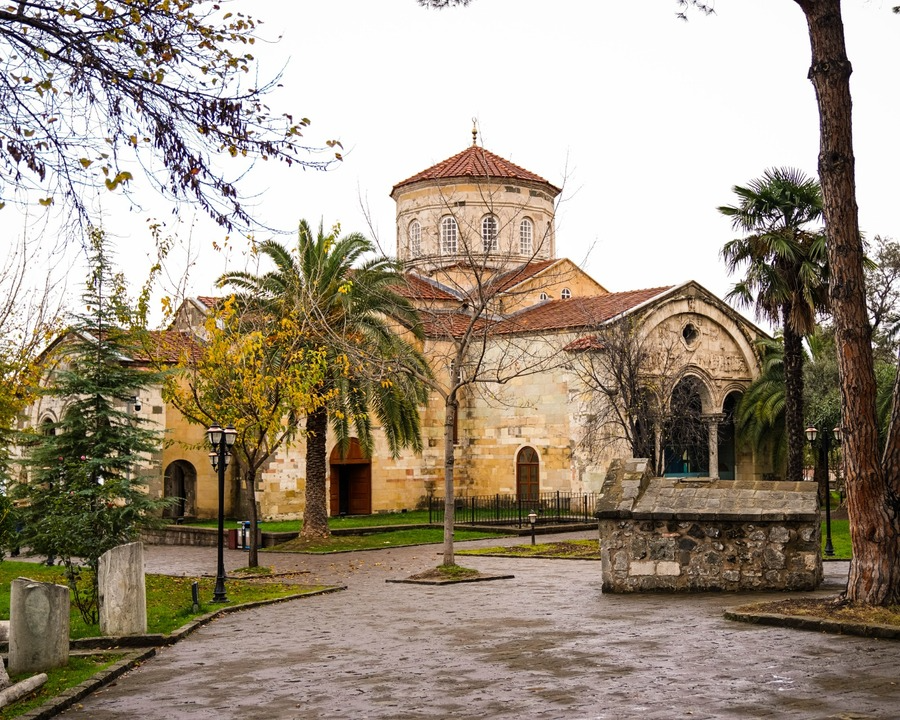
Trabzon’s Hagia Sophia stands as the region’s most important surviving Byzantine structure — a designation that carries weight precisely because it is not the more famous namesake in Istanbul. Built during the reign of Manuel I Komnenos (1238–1263), it was converted into a mosque in 1573, served as a military hospital and warehouse during the First World War, opened as a museum in 1964, and returned to mosque status in 2013 . The building’s frescoes, though weathered, retain a quiet power, and its position overlooking the sea gives it an atmosphere distinct from the city’s busier sites.
Orta Mahalle and Kızlar Monastery: The Overlooked Gems
For those willing to venture slightly beyond the centre, Orta Mahalle in the Akçaabat district offers one of the Black Sea region’s most authentic Ottoman streetscapes. Designated a conservation area in 1988, the neighbourhood is home to 61 listed monuments, including historic houses, fountains, and the 14th-century Church of Saint Michael . Its narrow, sloping streets and stone-and-wood houses offer a vision of traditional life that has largely disappeared elsewhere.
Finally, the Kızlar Monastery (Girls’ Monastery), perched on two terraces overlooking the city in the Boztepe neighbourhood, has undergone restoration completed in 2021 and now serves as both a historic site and a venue for cultural events . Founded during the reign of Alexios III, its rock church contains a holy spring and inscriptions depicting Theodora, wife of Alexios III, and his mother Eirene. With over 25,000 visitors in 2025, it remains relatively undiscovered by international tourism — a quality that will appeal to Durrah’s readers seeking experiences before they become ubiquitous.
The Durrah Verdict
Trabzon is not a destination that announces itself. It does not offer the polished luxury of the Riviera or the curated heritage of Istanbul’s grand monuments. What it offers instead is something more valuable: authenticity, layered history, and the space to encounter it on one’s own terms. From the cliffside silence of Sumela to the bustling commerce of Uzun Sokak, from Byzantine frescoes to Ottoman caravanserais, this is a city that rewards the patient and the curious. For the discerning traveller, it is a reminder that the most meaningful journeys are often those that ask something of us — a climb, a moment of quiet, a willingness to look beyond the surface.