























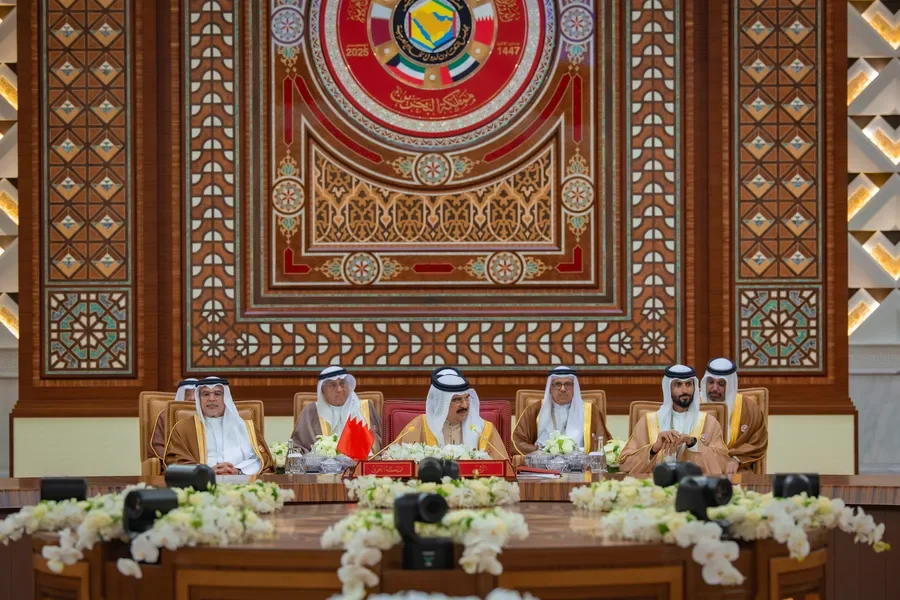
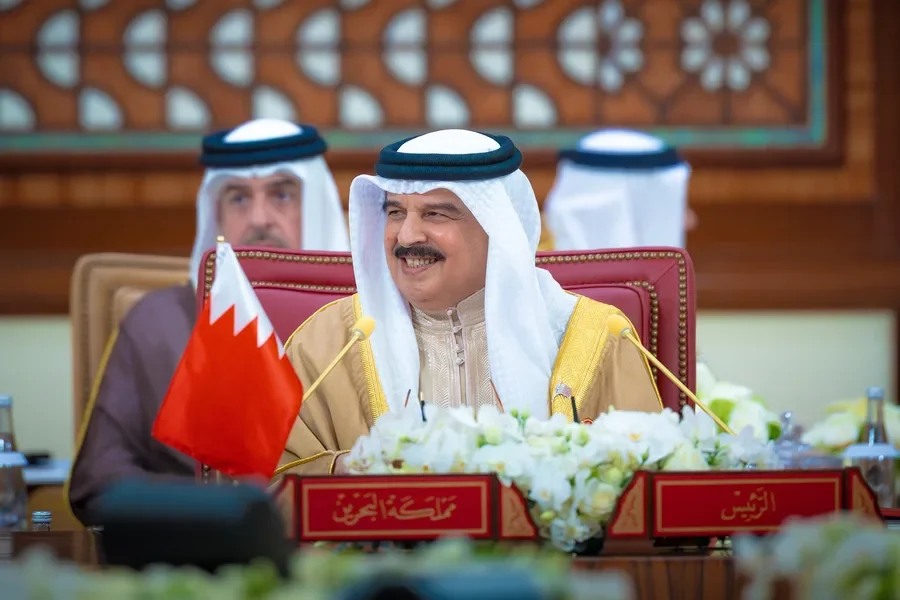
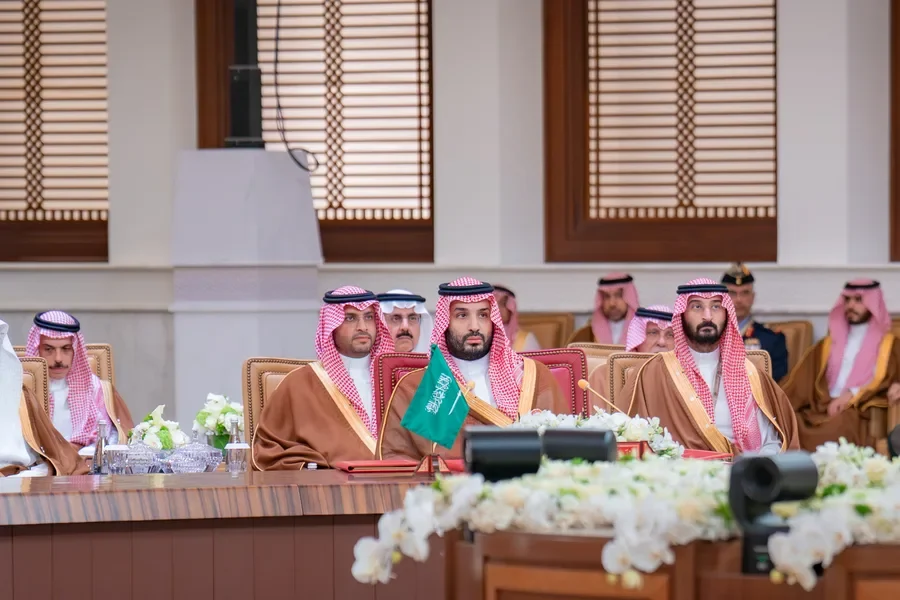
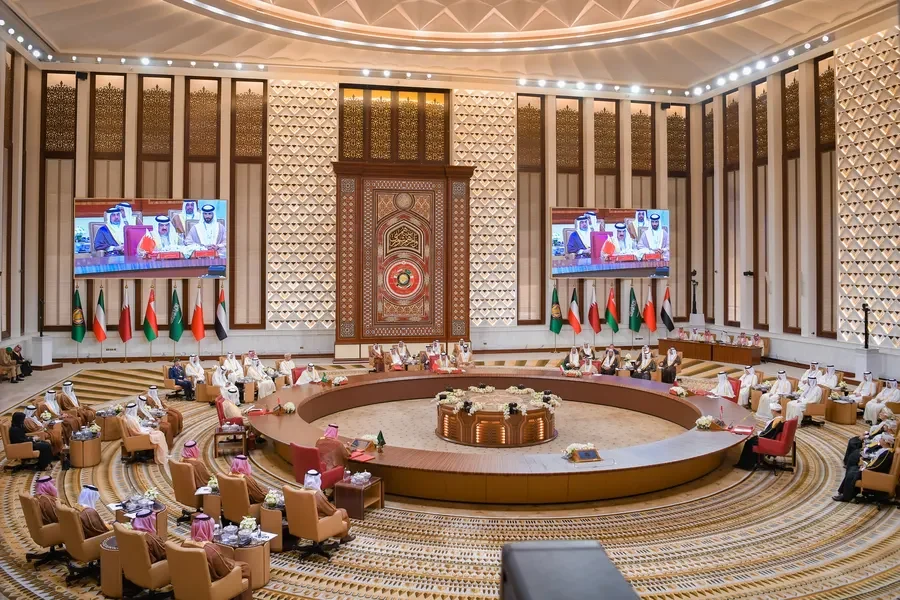
The meeting brought together the leaders of all GCC member states or their official representatives. With full representation from all member states, the session provided a platform to review progress in political, economic, security, and developmental cooperation.
As chair of the 46th session, His Majesty King Hamad bin Isa Al Khalifa guided the discussions and oversaw the adoption of the final documents. Bahrain also presented a Government Action Programme for 2026 as part of its GCC presidency. Member states agreed to review the programme and provide feedback through official channels. This contribution gave Bahrain a direct role in shaping the GCC agenda for the coming year and added further weight to its hosting responsibilities.
The final communique outlined a wide range of outcomes. Member states reaffirmed the established principle that GCC security is unified and that any threat to one member affects the collective. This remains a core element of the GCC’s foundation and was reiterated clearly during the Manama session.
Economic integration formed a substantial part of the discussions. The leaders reviewed ongoing work related to the GCC Customs Union and the GCC Common Market. They endorsed steps aimed at deeper economic coordination including regulatory harmonization, streamlined trade procedures, and expanded opportunities for the movement of goods and services. Additional measures covered mutual recognition of professional qualifications, joint industrial initiatives, and plans for a Made in the Gulf Forum and Exhibition in 2026 to support regional production and competitiveness.
The session also approved several institutional and infrastructure related actions. These included advancing the establishment of a GCC Civil Aviation Authority, moving forward with the GCC Railway Project agreement, and adopting unified regulations for joint real estate ownership among member states. These decisions aim to reinforce practical mechanisms for regional cooperation and improve long-term connectivity within the Gulf.
Governance and legal alignment were also addressed. The communique highlighted cooperation on transparency, anti-corruption efforts, and government performance enhancement. Member states discussed coordination in human rights, measures to combat human trafficking, and steps to strengthen legislative and judicial cooperation. These topics reflect broader efforts to modernize government systems and align policies across the region.
Environmental and energy issues featured prominently as well. The communique noted the importance of coordinated approaches to environmental challenges and climate change and stressed cooperation on energy policies. The leaders discussed collective responses to global energy market fluctuations and reaffirmed shared goals related to energy transition and long-term sustainability.
For the Kingdom of Bahrain, hosting the 46th session reinforced its longstanding commitment to the GCC framework and its readiness to support collective regional progress. The national significance of the event was reflected in a commemorative stamp series issued by Bahrain Post to mark the occasion. Through its role as host and chair, Bahrain contributed to advancing cooperation across security, economic development, governance, energy, and environmental fields.