






















YOU BEGAN DRAWING AT AGE SIX-AN ALMOST PROPHETIC START. WHAT REMAINS IN YOU FROM THAT CHILD AT THE HOUSE OF PIONEERS? WHEN DID ART SHIFT FROM CHILDHOOD PASSION TO LIFE’S PATH?
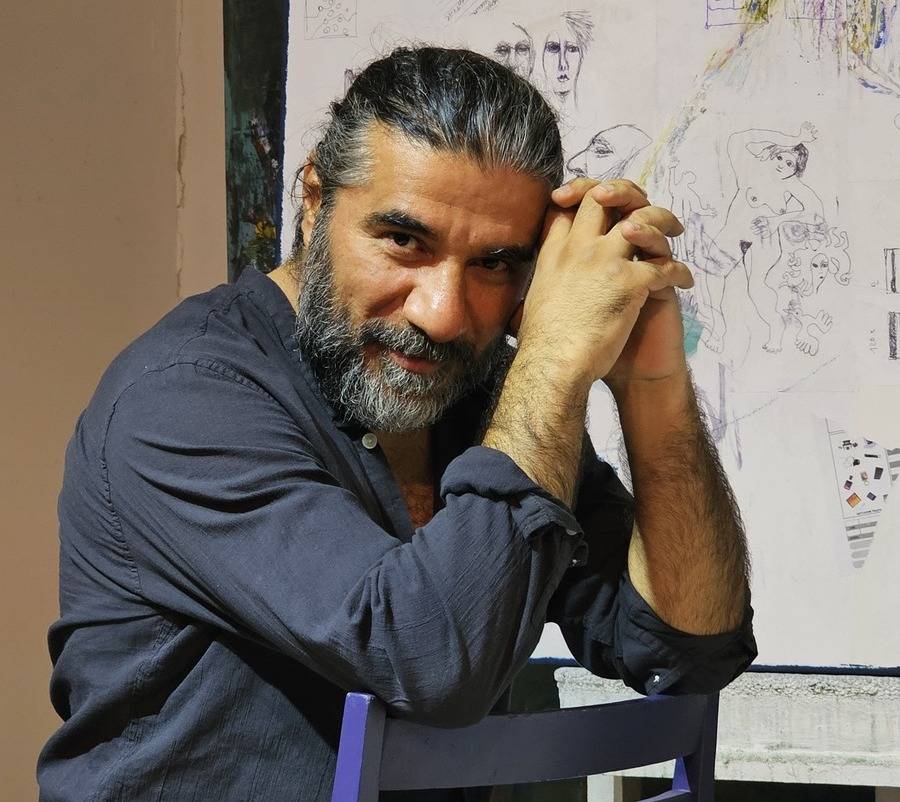
I began painting at the age of six, and within a few years I achieved success as a child artist – winning first place in competitions and truly feeling like a painter. At that time, I believed life would always remain carefree and effortless. However, soon after, Azerbaijan went through severe economic difficulties following the collapse of the Soviet Union, and I had to struggle greatly simply to remain in art. I had strong ambitions and big dreams to participate in major exhibitions, to create remarkable works, and to be widely recognized. But after the age of forty, those ambitions gradually faded. Slowly, I tried to free myself from ambition and ego. Now, when I stand in the studio in front of the canvas, I feel that there is no ego and no ambition between me and the painting. I work for myself, and sometimes I feel that at this age the child within me has somehow returned.
YOUR PROCESS IS REMARKABLY INTUITIVE- NOT KNOWING THE FINAL RESULT WHEN YOU BEGIN. HOW DOES THIS SURRENDER TO THE UNKNOWN INTERACT WITH THE STRUCTURED ORNAMENTAL PATTERNS YOU INCORPORATE?
I rarely use sketches; instead, I start directly with color. Often, I first use the canvas of my next work almost like a palette. Layers of color gradually accumulate on its surface, and when I begin the new painting, I add fresh colors on top, enriching the texture of the canvas. During this process, a theme or image slowly begins to reveal itself. I feel that the mind can sometimes interfere with creative freedom. When I work primarily through feeling, I often discover new colors and new forms almost unconsciously. Toward the end I begin to engage the mind more consciously and complete the work with it. In a sense, I begin with feeling and finish with reason.
CRITICS NOTE YOUR “AFFINITY WITH ANCIENT CITIES, PARTICULARLY ICHERISHEHER”, YET YOUR TREATMENT FEELS CONTEMPORARY RATHER THAN NOSTALGIC. HOW DO YOU AVOID ROMANTICIZING THE PAST WHILE HONORING ITS VISUAL POWER?
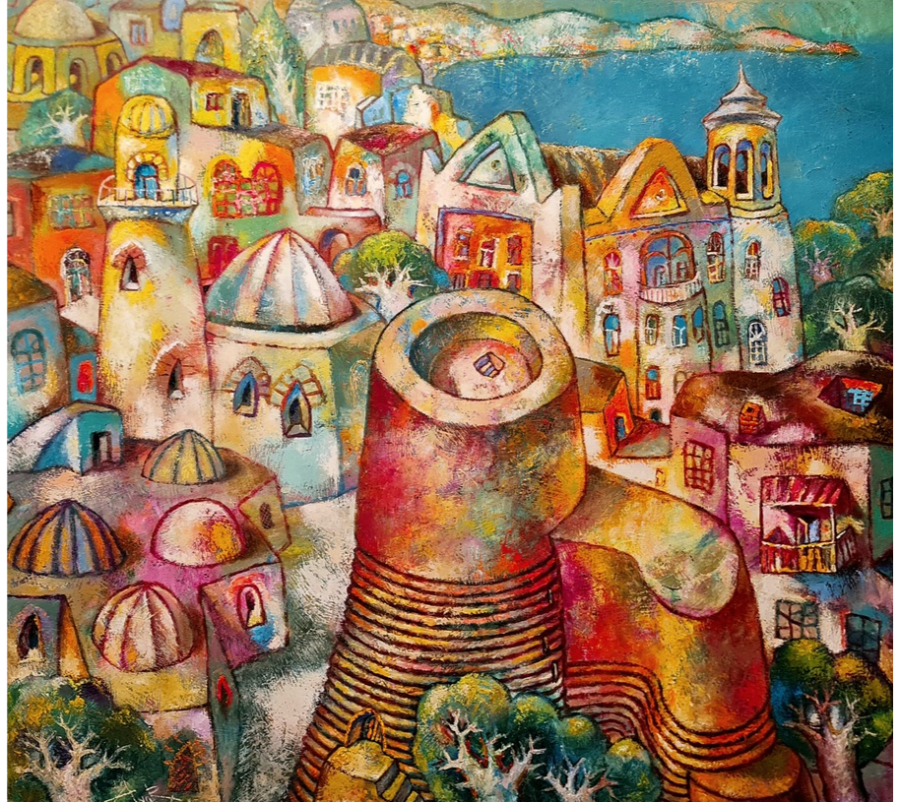
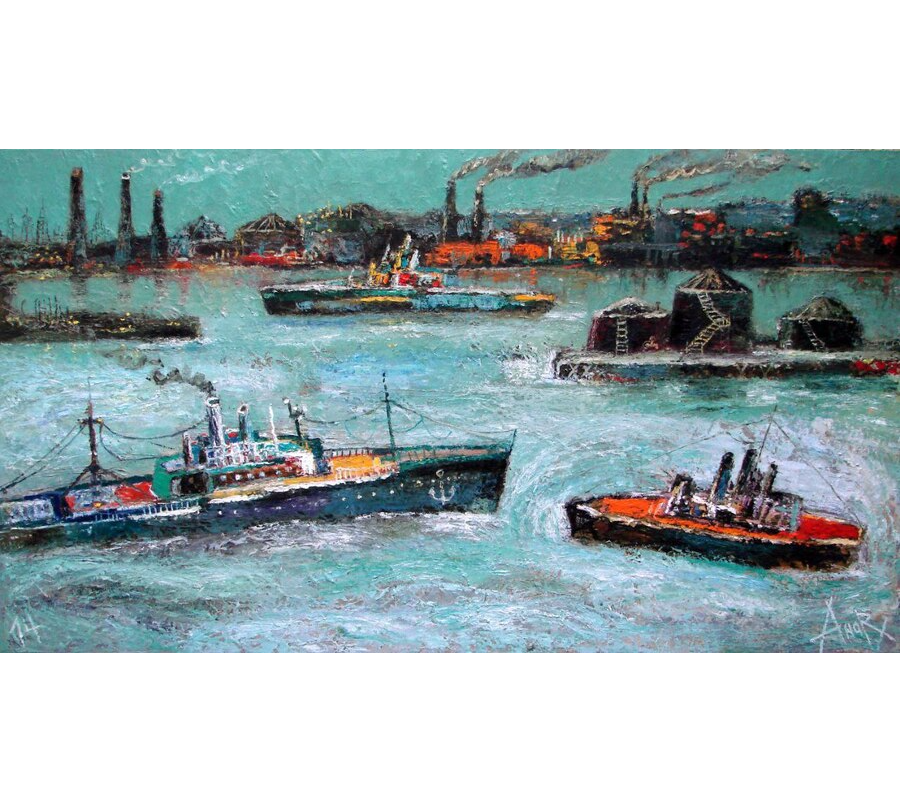
In general, old monuments and ancient cities deeply inspire me. Much of my work is dedicated to the landscapes of Absheron and Icherisheher. Perhaps the reason I sometimes include contemporary elements in my depictions of Icherisheher is that Baku today is a large modern city. All around it there is a vast modern environment, and Icherisheher seems almost as if it has quietly hidden itself within this overwhelming modernity. Although I deeply love Icherisheher – a place where centuries, even millennia of memory and history live it is still surrounded by the modern world. This balance naturally appears in my paintings as well. In my vision of Icherisheher, antiquity and modernity coexist.
WITH INCREASING INTERNATIONAL EXPOSURE, HOW DO YOU NEGOTIATE GLOBAL MARKET EXPECTATIONS WITH THE LOCAL STORIES YOU WISH TO TELL?
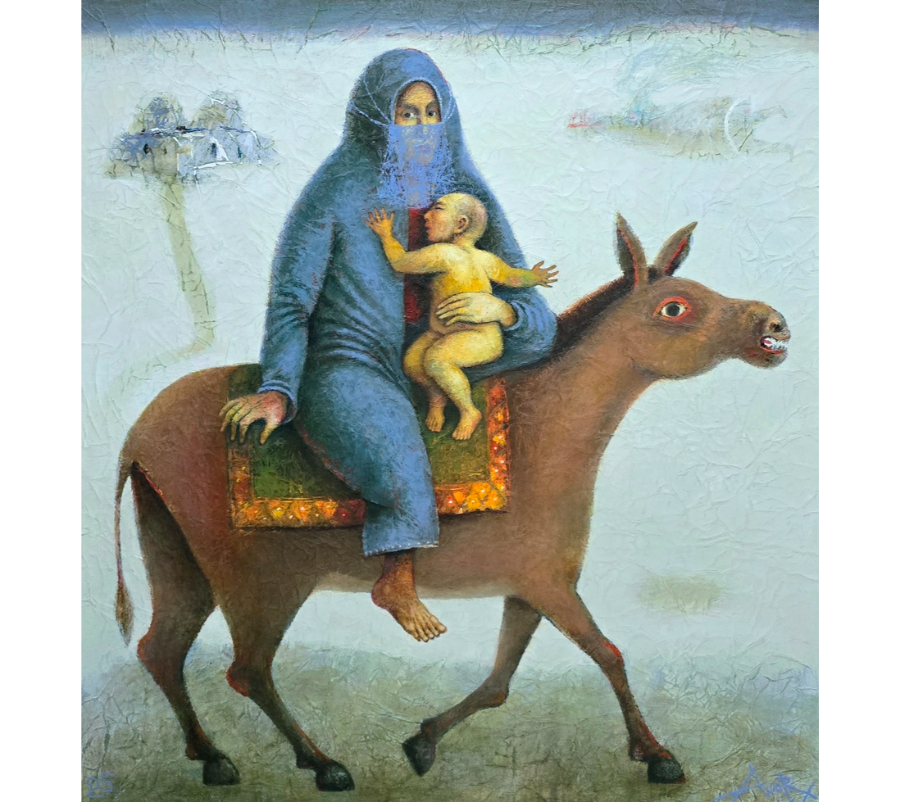
In my work there are several different directions. I paint cityscapes, Absheron landscapes, abstractions, still lifes with ceramic vessels, and works inspired by archaeology. At the same time, I also create figurative paintings and thematic compositions. Sometimes these subjects are connected to Azerbaijan, but very often they explore broader, universal themes. I frequently turn to subjects from Islam and Christianity, as well as Greek mythology. More generally, I am interested in Eastern mythology. These are themes that are familiar to many people, and the questions they raise have concerned humanity for thousands of years.
YOUR WORK IS HELD IN PRIVATE COLLECTIONS ACROSS THE USA, UK, SWITZERLAND, TURKEY, GREECE, AUSTRALIA, AND NORWAY. REMOVED FROM BAKU’S LIGHT AND CULTURAL FRAMEWORK, WHAT DO YOU HOPE VIEWERS PERCEIVE WHEN THEY ENCOUNTER YOUR PAINTINGS?
I would say that nearly ninety percent of my works are now in foreign countries. Some collectors acquired them without knowing me personally, while others are people who know me well. Every artwork carries a message. Each piece is a reflection of my inner world. I feel very happy when viewers and collectors find something meaningful in my works – sometimes even noticing things I had not consciously intended. I also like to say that every artwork has its own address. Each piece eventually finds its place somewhere, often hanging in a particular home. There are always many paintings in the studio, and I cannot personally take care of all of them. But collectors and art lovers take them, care for them, and show them love.
YOU STAND AT AN INTERESTING JUNCTURE: ESTABLISHED IN AZERBAIJAN, GAINING INTERNATIONAL RECOGNITION, YET STILL SEEKING “NEW HORIZONS AND CREATIVE ADVENTURES”. WHAT FRONTIERS REMAIN UNEXPLORED?
Perhaps the fortunate thing about artists is that they never completely lose touch with their childhood. We all draw as children, and later each of us learns a particular profession or craft. Artists, however, are those who continue to paint with something of that childlike spirit even in adulthood. The enthusiasm of childhood, the sense. of wonder, and the ability to see the world with a certain purity these feelings often remain with artists. Even now, when I begin a new work in front of the canvas, I still feel a kind of childlike excitement. It often seems as though it is the very first time I am starting a painting. At that moment, all previous experience seems to fade, and I do not know exactly what will appear on the canvas. This excitement the desire to create continually opens new horizons.