





















CAN YOU SHARE WITH US THE JOURNEY THAT LED YOU TO BECOME AN ARTIST? WHAT WERE SOME KEY MOMENTS OR EXPERIENCES IN YOUR LIFE THAT SIGNIFICANTLY SHAPED YOUR ARTISTIC DEVELOPMENT?
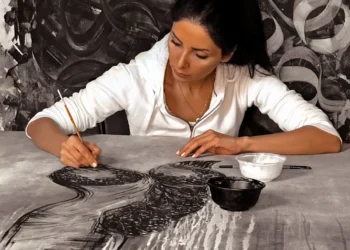
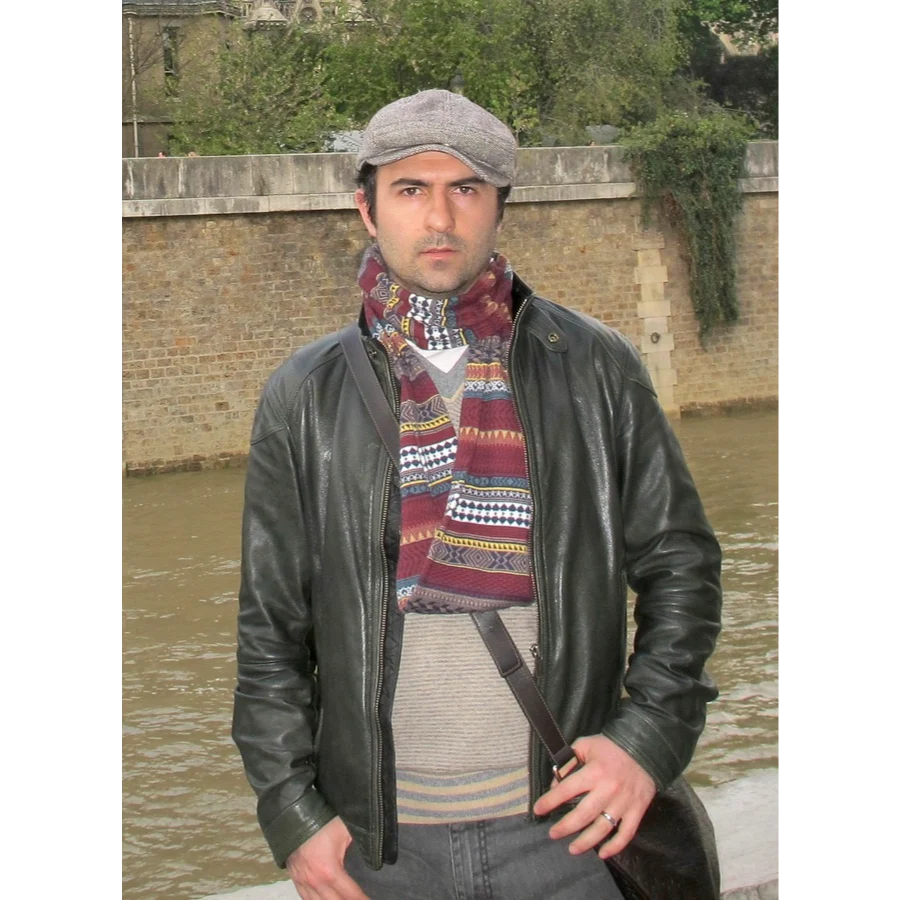
I was actually born into a family of painters. My father is a well-known artist in Azerbaijani culture and the art world. From a young age, I was surrounded by canvases, painting books, paints, and incredibly talented artists. Alongside this, I had my own understanding and passion for painting. I could feel the works of art and get lost in the worlds they created. I started painting with oil paints when I was 10 years old, and by the time I was 13-14, I was attending exhibitions with my father, and I was sure that I could now pursue this art and creativity. My works gained their own character after my marriage. My wife, Emiliya, has been and continues to be my greatest inspiration. Her interpretations of my works and the new perspectives she offers have dramatically and positively changed the color and direction of my art. In addition, my travels to Europe, the works I saw live for the first time in art museums, and the new artists I met, broadened my source of inspiration.
YOUR ART OFTEN REFLECTS A DEEP CONNECTION WITH HORSES. HOW DID YOUR PASSION FOR THESE ANIMALS BEGIN, AND IN WHAT WAYS DO THEY INSPIRE YOUR WORK? CAN YOU DESCRIBE THE EMOTIONAL AND SYMBOLIC SIGNIFICANCE OF HORSES IN YOUR CREATIONS?
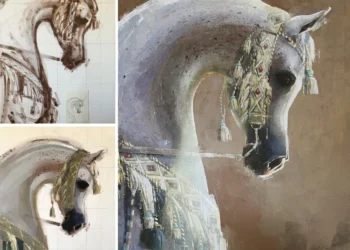
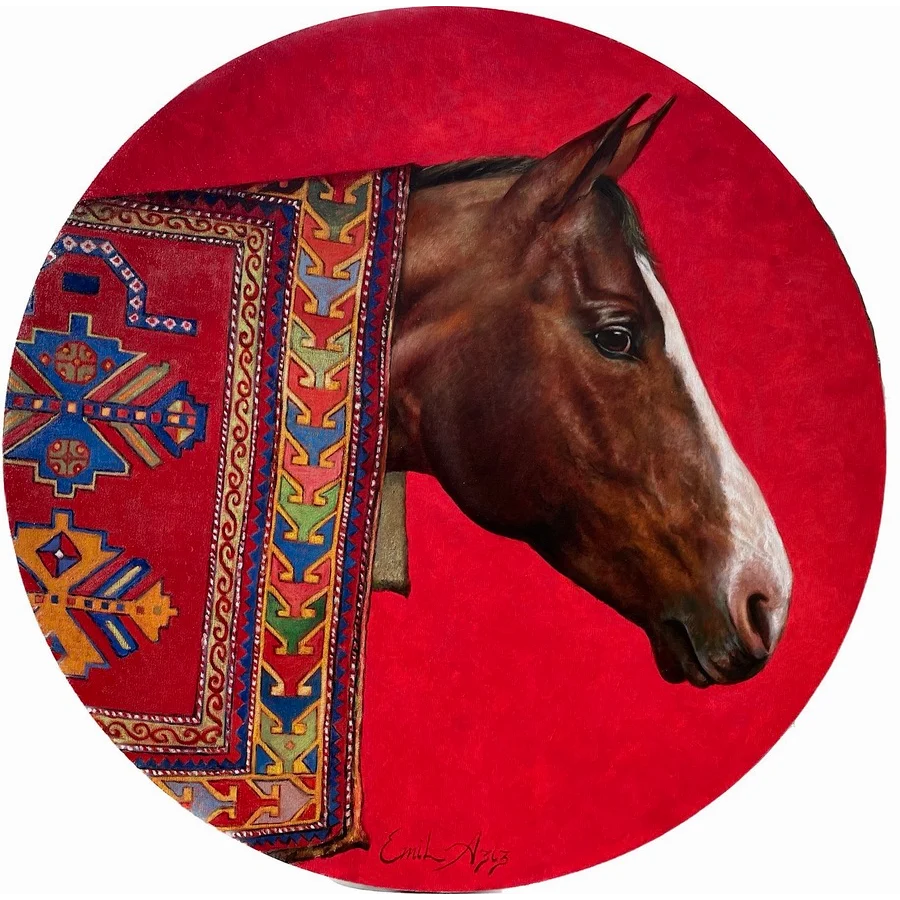
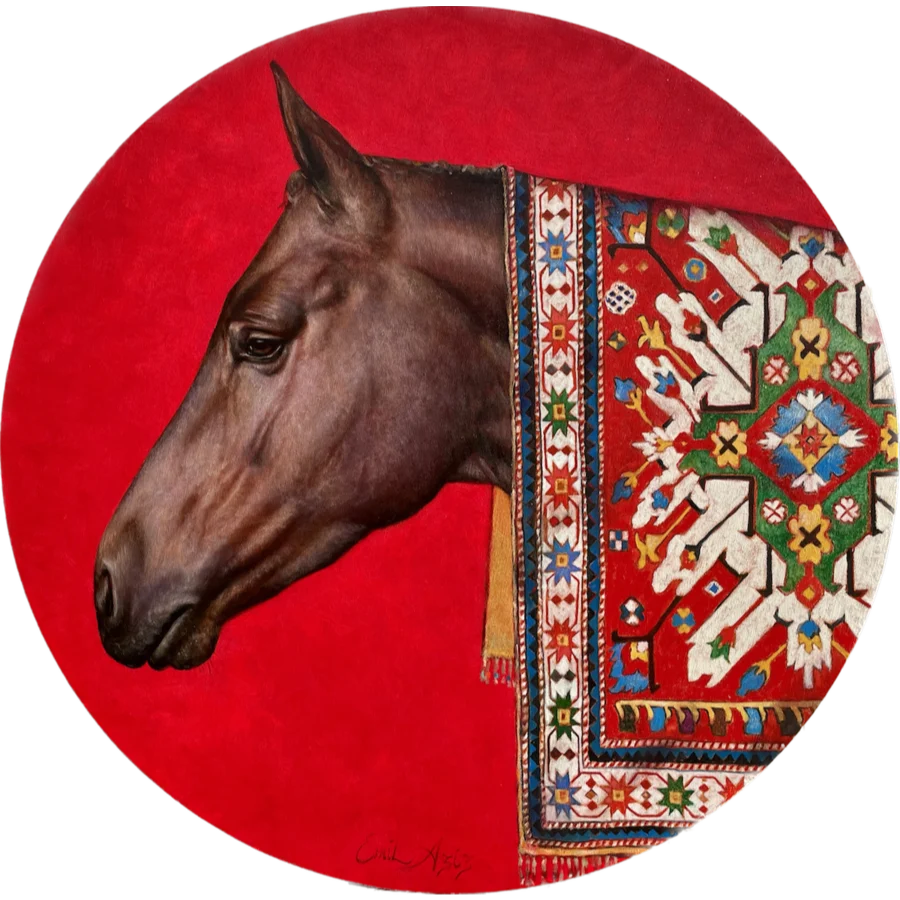
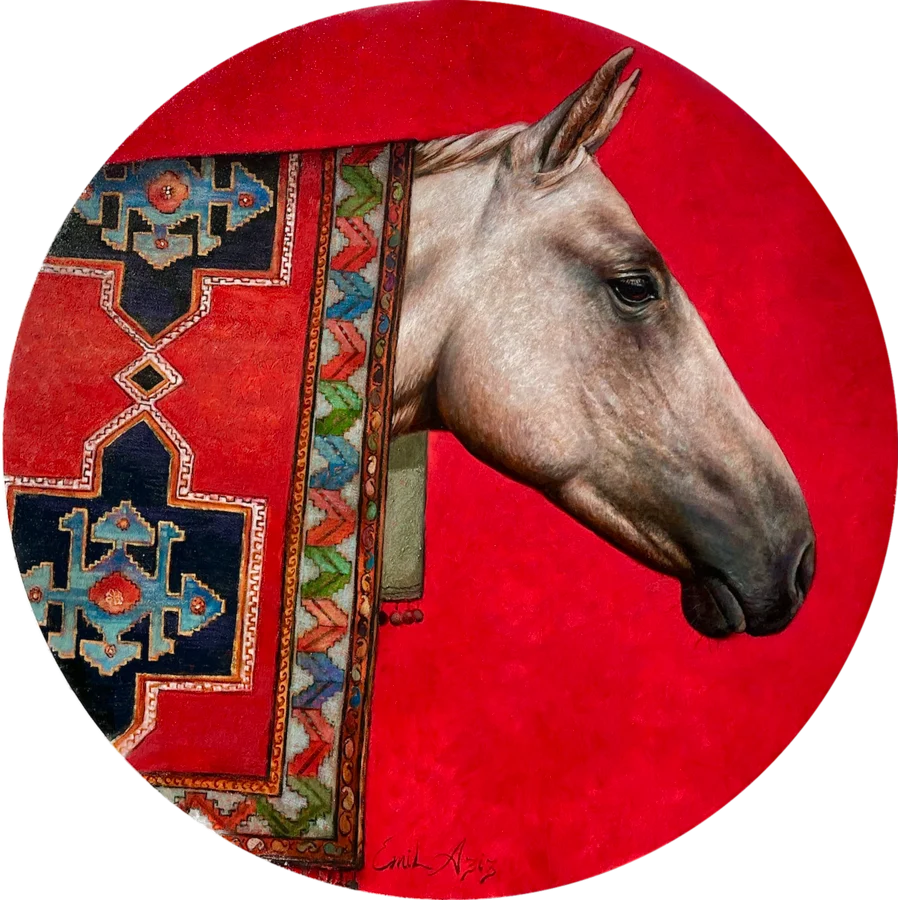
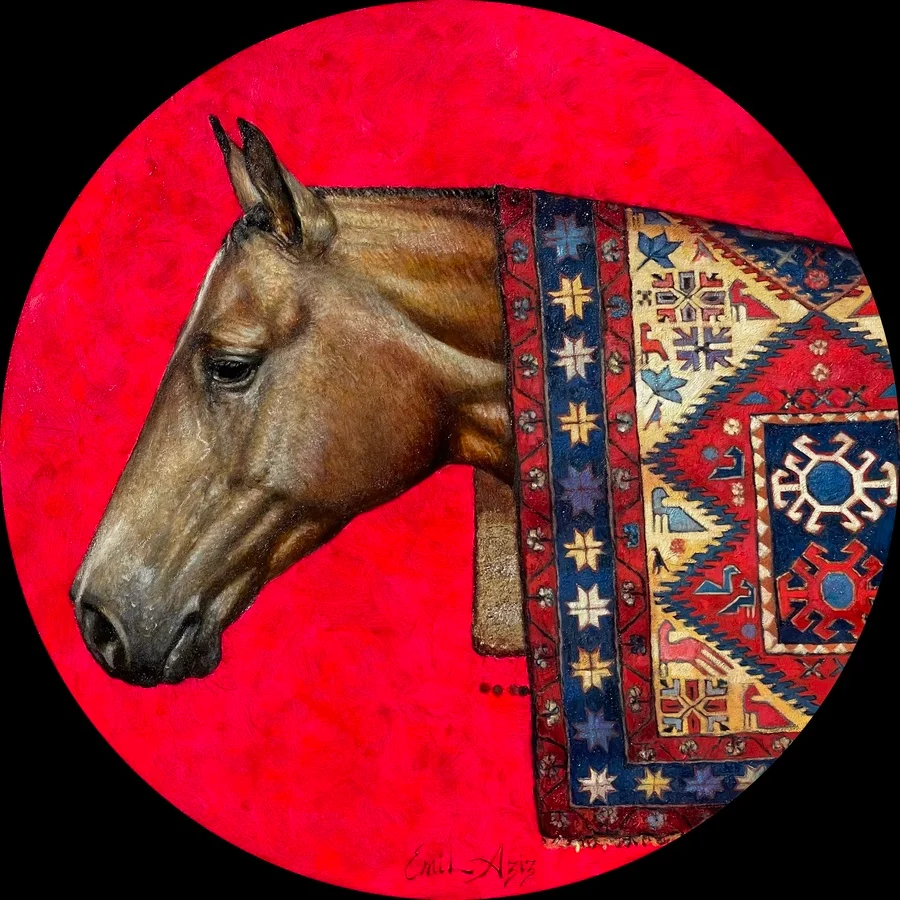
As I mentioned above, when I first participated in art exhibitions with my father at the age of 14, I was producing works on every subject, but my series of horse portraits was particularly well-received. Horse portraits were always among the first pieces to sell. Since then, my love and affection for these magnificent creatures and their species have grown stronger. In some of my works, I began using bronze horse heads as symbols of power. Horses have historically been symbols of power and wealth. The horse series you see in the Maraee exhibition is dedicated to the First Karabakh War. The story in the works is quite dramatic. The red color in the background represents blood. The Karabakh carpets you see on the horses represent people fleeing the war, quickly abandoning their homes, loading their horses and whatever else they could find onto the backs of their horses. The sadness in the eyes of the horses in the works is a reflection of this.
PARTICIPATING IN THE MARAEE EXHIBITION IN BAHRAIN MUST HAVE BEEN A SIGNIFICANT EXPERIENCE FOR YOU. COULD YOU ELABORATE ON HOW THIS OPPORTUNITY CAME ABOUT, WHAT YOUR CONTRIBUTIONS WERE, AND HOW THE EXHIBITION ALIGNS WITH YOUR ARTISTIC VISION?
My selection for this exhibition was entirely thanks to the esteemed Mr. Khalid Juman. Therefore, I would like to express my gratitude to him for providing me with this opportunity and experience. Today, the internet and various platforms bring the whole world together. The online recognition of my works has contributed to this. It was my first time traveling to an Arab country. Like the other foreign artists participating in the exhibition, it was a unique experience unlike anything we had ever had before. The message of my works was deeply felt by the citizens of Bahrain, and the universal unifying power of art resonated throughout the exhibition. There were no other works in the exhibition of the same style, concept, size, or series. Therefore, the viewers who attended the exhibition were captivated by the allure of the horses lined up against the red background, seeing them from afar. The atmosphere of the exhibition, created by its Eastern motifs, and the harmony of my works, pleased me greatly in terms of the consistency of my own artistic perspective. It also gave me a lot of inspiration about what kind of works I should exhibit in this region again in the future.
WHEN WE LOOK AT THE ARTISTIC LANDSCAPE OF THE MIDDLE EAST, HOW DO YOU VIEW THE CURRENT TRENDS AND MOVEMENTS? IN YOUR OPINION, WHAT MAKES THE ART SCENE IN THIS REGION UNIQUE OR DISTINCT COMPARED TO OTHER GLOBAL ART SCENES?
Frankly, the modern art movements sweeping the world sadden and anger me greatly. These movements kill the emotional and universal exchange of feelings in art. Conversely, in the Middle East, the romanticism and realism of the past are still preferred and loved. The resalistic movements preferred in large-scale paintings distinguish this region from the art of other countries. This reminds me of the realist movement that emerged in the early years of the Soviet Union. Thus, works that evoke the same emotion in everyone at the same time are preferred more, and I believe this is how it should be. It’s like watching a movie together on a cinema screen at the same time, experiencing the same feeling.
YOU HAVE WITNESSED THE EVOLUTION OF CONTEMPORARY ART IN ISTANBUL. HOW WOULD YOU DESCRIBE THE RELATIONSHIP BETWEEN THE CITY’S RICH CULTURAL HISTORY AND ITS MODERN ARTISTIC EXPRESSION? WHAT CHALLENGES AND OPPORTUNITIES DO YOU FORESEE FOR ARTISTS IN THIS VIBRANT CITY?
I believe the biggest deficiency in modern art in Istanbul is originality. Similarities in works should give way to more personal themes. Every corner of Istanbul offers millions of inspiring and creatively enriching places. You can even see this on an old alley wall. As I mentioned above, modern painting movements are quite evident in the artworks we see in Istanbul. Being a metropolitan and worldrenowned city increases the recognition and sales of works for painters. However, its sheer size also causes artists to get lost in this environment. The best opportunity to overcome this and stand out is to create original works by utilizing elements of Istanbul’s rich culture. The disadvantage of having many rival artists in Istanbul can only be overcome by producing original works. Otherwise, with repetitive work, you’ll become nothing more than one of Istanbul’s identical paving stones.
ART OFTEN SERVES AS A MEDIUM FOR SOCIAL COMMENTARY AND CHANGE. HOW DO YOU SEE YOUR WORK CONTRIBUTING TO DISCUSSIONS ABOUT CULTURAL IDENTITY, HERITAGE, OR CONTEMPORARY ISSUES IN THE MIDDLE EAST? CAN YOU PROVIDE EXAMPLES WHERE YOUR ART HAS ENGAGED WITH THESE THEMES?
My works mostly depict female figures and subjects from all regions of the world. I later realized that the women’s hair in my works is almost invisible, covered by objects such as precious stones or flowers. As a Muslim, I realized that I instinctively reflected the dictates of my faith in my works without thinking. Therefore, my works convey the same messages naturally for this region as well. I always love universal messages and objects. For example, in a few of my works, I used a female figure on a camel surrounded by stones and goods to show wealth. The camel, as an object of wealth, offers an incomparable nobility and aesthetics compared to today’s modern objects of wealth. The wall motifs, carpets, precious stones, sofas and divans, and dresses of the Middle East have always adorned my works.
LOOKING AHEAD, WHAT ARE YOUR ASPIRATIONS FOR YOUR ARTISTIC PRACTICE IN THE COMING YEARS? ARE THERE PARTICULAR PROJECTS OR THEMES YOU’RE EXCITED TO EXPLORE FURTHER, ESPECIALLY IN RELATION TO THE INTERSECTION OF ART AND EQUESTRIAN CULTURE?
The Maraee 2025 Exhibition gave me a very important perspective. It showed me how powerful and unique a series of works can be when exhibited with the same message but different figures. This inspired me to explore new themes related to horses. For example, I previously had a work about horse racing with jockeys, which I titled “Ambition.” The work was set in frozen time to show the speed of the horses, and was adorned with vague horse and human figures. This actually showed that no matter how fast we go because of our ambition, we are invisible to people and get lost in the fast-paced life of our ambition. I aspire to create a series of exhibitions on this theme. I will also renew the name of the series as “Ambition.”
COLLABORATION AND COMMUNITY ARE VITAL ASPECTS OF THE ART WORLD CAN YOU TALK ABOUT ANY SIGNIFICANT COLLABORATIONS YOU’VE HAD WITH OTHER ARTISTS OR ORGANIZATIONS? HOW DO THESE PARTNERSHIPS INFLUENCE YOUR WORK AND YOUR PERSPECTIVE ON ART?
Unfortunately, wars and environmental pollution are among the deadliest problems in today’s world. In the exhibition “War Through the Eyes of Children,” I organized an exhibition that showed the pain and horror of war through the raw and simple language of art. In addition, I participated in exhibitions on environmental protection and pollution reduction with my works. Art is the greatest tool for changing people in this regard. I have also collaborated to present beauty. Drawing inspiration from precious stones in my works, I have also held exhibitions with some jewelry and design companies. I also participated in a fashion exhibition where my oil paintings on mannequins reflected the richness of Azerbaijani culture. Each of these experiences has left a mark on me, and will manifest itself in my future works, and indeed it already has.
AS TECHNOLOGY AND GLOBALIZATION CONTINUE TO IMPACT THE ART WORLD, WHAT ARE YOUR THOUGHTS ON THE INTEGRATION OF DIGITAL MEDIUMS WITHIN TRADITIONAL ART PRACTICES? HOW DO YOU NAVIGATE THESE CHANGES IN YOUR OWN WORK?
Besides painting, I have also been teaching mathematics at Yeditepe University in Istanbul for 13 years. I discuss this topic with my students in my classes, and as I used to say, technology can do everything, but it cannot do art. As you know, technologies like artificial intelligence present collages of artwork created from things uploaded to the internet. Art has not yet been, and cannot be, programmed. It is impossible to create the software for this unique ability that God has bestowed upon some people. Technology will never be able to create an art movement. It will only create images from created things in a very simple language, far from realistic and aesthetic. However, creative minds and artists can use these technologies to save time and create unique new works of art by transcending the limits of human physics. Unfortunately, we don’t see this in classical paintings, but we see the help of technology most often in sculptures and similar 3D objects. In my own work, however, I do not yet use such new technologies.
COULD YOU SHARE YOUR EXPERIENCE OF ENGAGING WITH AUDIENCES DURING EXHIBITIONS? WHAT DO YOU HOPE VIEWERS TAKE AWAY FROM YOUR WORK, AND HOW DOES THEIR RESPONSE IMPACT YOUR CREATIVE PROCESS?
In my exhibitions, there are differences between those who have seen my works online before and those who haven’t. Those who have only seen my works as photos have always shared with me that the works look much more vibrant and different in a positive way when they come to the exhibitions. This has proven to me in every exhibition the real impact that oil paint on canvas and art create. I also experience the same feelings when I see the works I saw in photos in my childhood live. As in the Maraee exhibition, those who saw my works for the first time live expressed their feelings about the vibrancy, harmony, and impact of the colors. Also, as I mentioned above, after I explained the meaning and story hidden behind the works, the viewers always shared their astonishment and increased love for the works with me. This has increased my idea of writing a book about my works, telling their stories. I want to combine my storytelling with colors with literature. There was only one theme in this exhibition, but in my exhibitions, I exhibit many works that, despite their simple appearance, have hidden stories behind them.
REGIONAL AND INTERNATIONAL ART MARKETS ARE CONSTANTLY EVOLVING. HOW DO YOU SEE THE OPPORTUNITIES FOR MIDDLE EASTERN ARTISTS EXPANDING IN THE GLOBAL ARENA? WHAT ADVICE WOULD YOU GIVE TO EMERGING ARTISTS ASPIRING TO MAKE THEIR MARK?
As I mentioned above, with the philosophy of “the more personal, the more original,” a Middle Eastern artist can conquer the hearts of the whole world with their works. Bahrain and the surrounding countries, with their unique geography and rich culture, should inspire local artists and take art lovers to emotions and environments they have never seen before. Consider that a magnificent movement like Orientalism began with European painters coming to the Middle East. Thanks to the colors they encountered, scenes like sunrises and sunsets they could never have imagined before, the vast landscapes of the desert, the harmony and aesthetics of vibrant and colorful clothing, and the architecture of the cities, many painters have written their names in gold letters in art history. I think now is the time to reintroduce this Orientalist movement to the world art market with local artists, using the language of modern art. I also receive positive feedback when I paint Orientalist works with Middle Eastern motifs. I believe that no one can convey the beauty of this place better than the local painters here.
FINALLY, AS AN ARTIST WHO THRIVES IN THE RICH CONTEXT OF THE MIDDLE EAST, WHAT MESSAGE DO YOU WISH TO CONVEY TO FUTURE GENERATIONS OF ARTISTS IN ISTANBUL AND THE BROADER REGION REGARDING THEIR POTENTIAL AND THE IMPORTANCE OF CULTURAL EXPRESSION?
Artists absolutely need to be multidisciplinary. They need to know the history of their work well. Those who don’t know the past cannot build the future. Artificial intelligence can’t help with that either. First and foremost, we need to know ourselves well, and unfortunately, even though it’s difficult, we need to travel the world and see other works of art firsthand. This played a significant role in my own transformation. I’m saying this specifically about painting. Painting alone isn’t enough for today’s world. To produce different and impactful works, one needs to be interested in and learn from different fields such as literature, philosophy, music, cinema, or fashion. Future generations of artists must also remember that if you don’t have 50 works that distinguish you from other painters in terms of subject matter and style, it will be incredibly difficult to break into the global market. You absolutely need to present at least 50 works that reflect your own unique style. The strength you need for this is in the blood flowing through your veins, in your own culture. Carrying this forward comes from understanding and interpreting the world.