























YOU HAVE BUILT A LONG AND INFLUENTIAL CAREER ACROSS JOURNALISM, TELEVISION, AND COMMENTARY, BECOMING ONE OF THE MOST RECOGNIZABLE VOICES IN BAHRAINI MEDIA. LOOKING BACK, WHAT FIRST DREW YOU TO THE WORLD OF WRITING AND PUBLIC COMMENTARY, AND WHAT EARLY EXPERIENCES SHAPED YOUR CONVICTION THAT JOURNALISM WOULD BE YOUR PATH?
My relationship with writing began quite unexpectedly. In the mid-1980s, around 1986, writing was not something I had planned as a profession. It started simply as a deep interest in reading and learning. Books and articles occupied much of my time, and gradually that curiosity about ideas and public affairs began to grow. My husband was the one who encouraged me to take that interest more seriously and suggested that I try writing rather than limiting myself to reading. At the time there was no formal preparation, no academic plan, and no sense that I was entering a career path. I simply contacted the late Ali Al Sayyar, the editor- in-chief of Sada Al-Usbu magazine, and told him that I would like to write. He did not know anything about my abilities, so he handed me a book and asked me to write a commentary on it. The book was a report issued by the Bahrain Chamber of Commerce and Industry. I wrote the commentary and presented it to him, and he decided to purchase it. That moment marked the beginning of my journey in journalism. What began as a small opportunity gradually turned into a lifelong commitment to writing and public commentary.
EVERY WRITER DEVELOPS THEIR VOICE THROUGH EXPOSURE TO IDEAS, MENTORS, AND INTELLECTUAL INFLUENCES. IN THE FORMATIVE YEARS OF YOUR CAREER, WHICH THINKERS, WRITERS, OR PUBLIC FIGURES HELPED SHAPE YOUR PERSPECTIVE AND ENCOURAGED YOU TO ENGAGE CRITICALLY WITH SOCIAL AND POLITICAL ISSUES?
I cannot point to one single writer or public figure and say that they shaped my perspective. My development as a writer came through exposure to many voices across the Arab media landscape. For instance, Kuwaiti journalism attracted my attention for its boldness and the high level of openness with which it addressed social and political issues. It demonstrated a certain courage in tackling sensitive subjects and presenting them to the public. At the same. time, Egyptian journalism was particularly rich, not only with journalists but also with writers and intellectuals who approached public life through thoughtful analysis and cultural depth. What consistently captured my attention was not necessarily the name of the writer but the quality of the article itself. I was always drawn to writing that presented complex issues in a clear and accessible way, where sophisticated ideas were expressed with simplicity and elegance so that even non-specialist readers could understand them. This ability to translate complexity into clarity became one of the most influential lessons I absorbed from reading others.
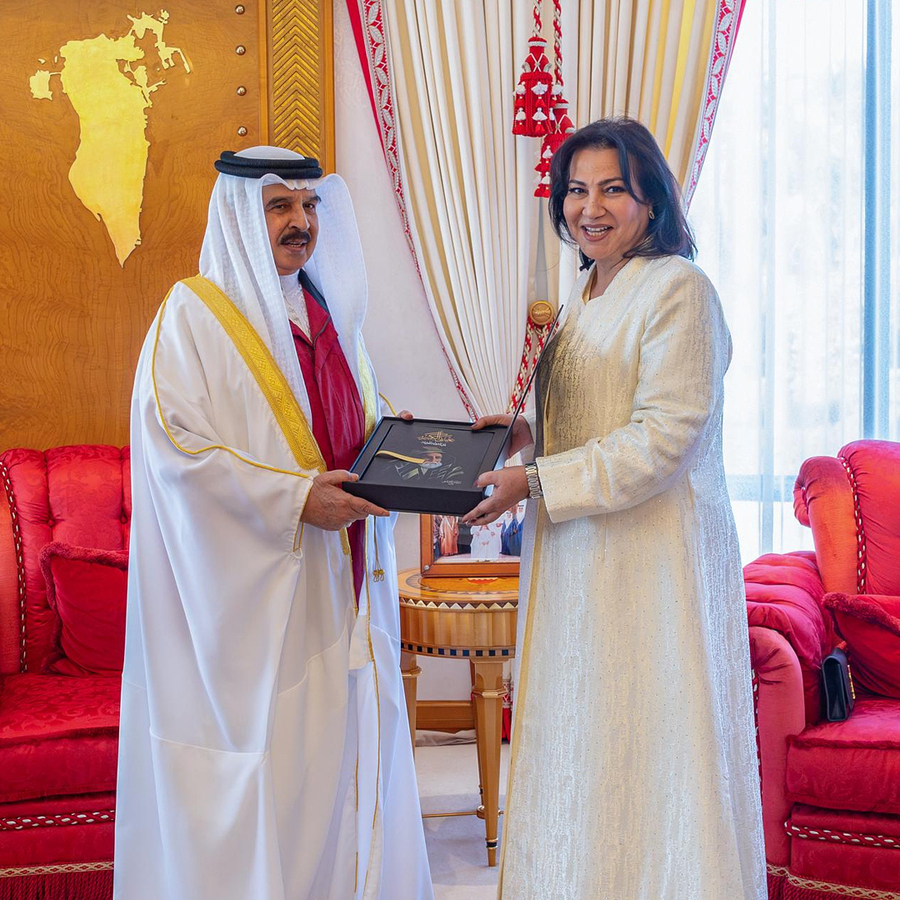
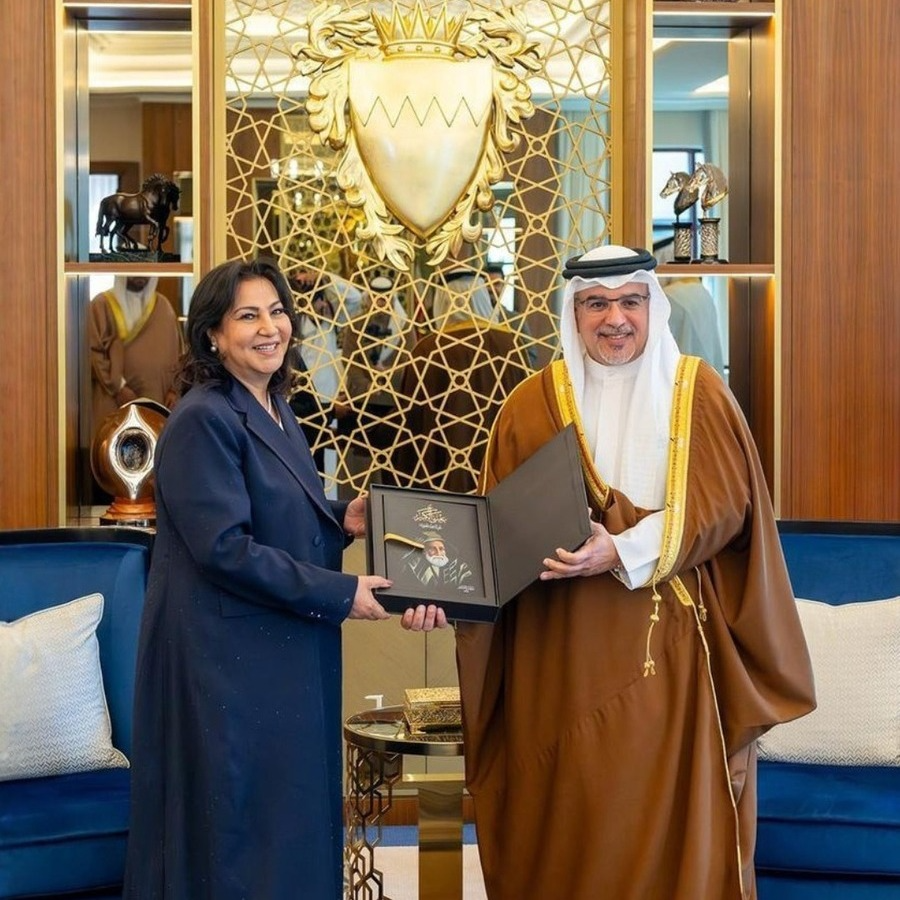
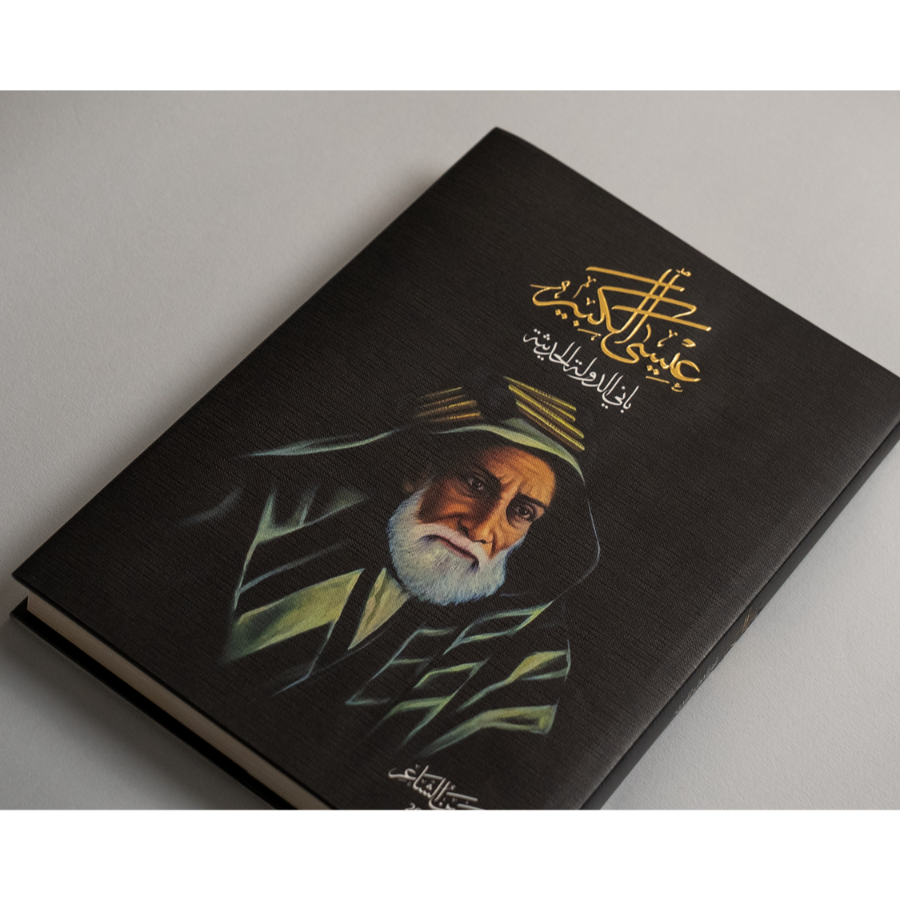
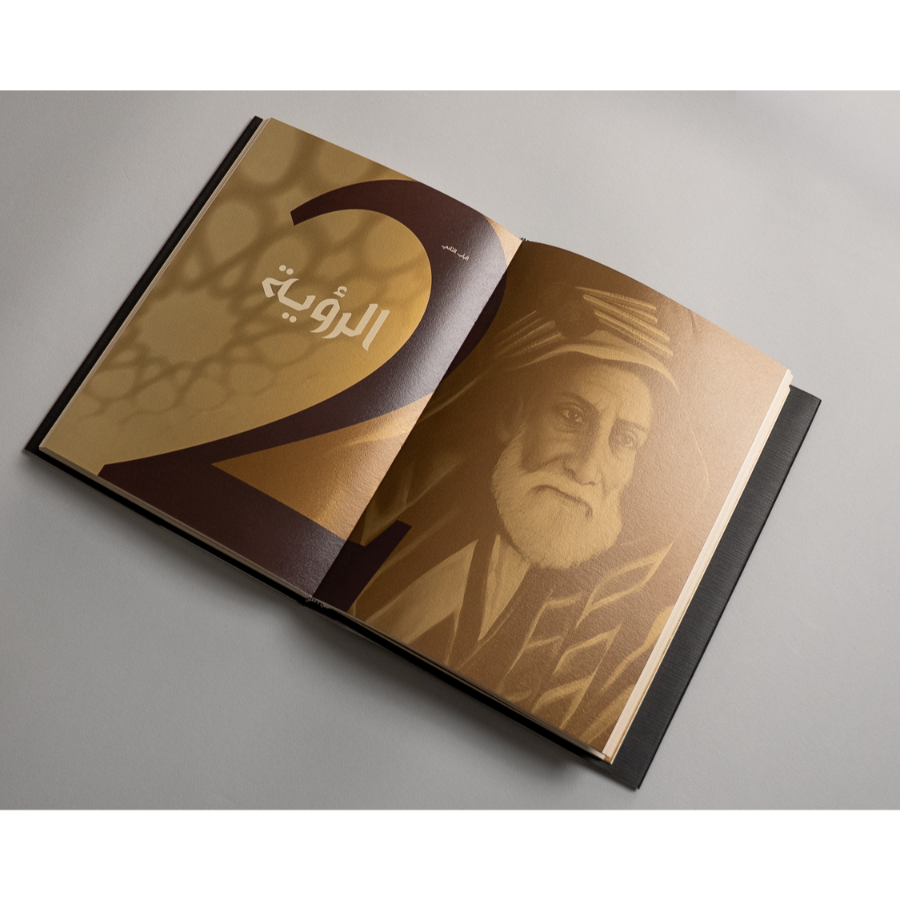
YOUR NEW BOOK, ISA AL KABEER: FOUNDER OF THE MODERN STATE, REVISITS A PIVOTAL FIGURE IN BAHRAIN’S HISTORY. WHAT PROMPTED YOU TO FOCUS ON ISA BIN ALI AL KHALIFA AT THIS MOMENT. AND WHY DO YOU BELIEVE HIS LEGACY DESERVES RENEWED ATTENTION TODAY?
My interest in writing about Isa bin Ali Al Khalifa emerged from a longstanding passion for history and historical documentation. Over the years, much of my personal reading has centered on historical works, biographies, and studies that revisit the past and examine it from new perspectives. I have always been drawn to books that challenge conventional narratives and encourage readers to reconsider events through fresh lenses. This intellectual curiosity eventually led me to explore Bahrain’s history more deeply and to ask fundamental questions about how the state was formed and how it developed over time. Isa bin Ali Al Khalifa occupies a central place in that story. His leadership represents an important stage in Bahrain’s political and institutional evolution. Revisiting his legacy today is not simply about recounting historical events but about understanding the foundations upon which modern Bahrain was built. Examining that period allows us to see the continuity between past leadership and the development of the modern state
WRITING ABOUT HISTORICAL FIGURES OFTEN REVEALS UNEXPECTED DIMENSIONS OF THEIR LEADERSHIP AND CHARACTER. DURING YOUR RESEARCH FOR THE BOOK, WERE THERE ANY DISCOVERIES, PERSPECTIVES, OR MOMENTS IN ISA AL KABEER’S LIFE THAT PARTICULARLY SURPRISED YOU OR CHANGED THE WAY YOU VIEWED THAT PERIOD OF BAHRAIN’S DEVELOPMENT?
One of the most interesting aspects of researching the book was discovering how much historical material already existed but had not been examined closely enough. Some documents were publicly available for many years, yet certain details within them had not received adequate attention. Among these was a British document discussing the final period of Shaikh Mohammed bin Khalifa’s rule and his exile. Within that document, however, there was a significant passage confirming that Shaikh Isa bin Ali assumed leadership through a legitimate pledge of allegiance. This detail had not been emphasized sufficiently in previous discussions, yet it offers important insight into the political legitimacy of his rule. Another revealing aspect was the way British sources often described Shaikh Isa bin Ali as stubborn or resistant to change. But when examining the broader historical context, it becomes clear that his positions were not simply expressions of obstinacy. They were shaped by clear motivations tied to protecting sovereignty and national interests. Looking at the documents more carefully allowed a more balanced understanding of his leadership and the challenges he faced.
BEYOND RECOUNTING HISTORICAL EVENTS, BOOKS SUCH AS THIS OFTEN SEEK TO CONNECT PAST LEADERSHIP WITH PRESENT IDENTITY. WHAT DO YOU HOPE READERS, PARTICULARLY YOUNGER GENERATIONS IN BAHRAIN, WILL TAKE AWAY FROM THIS EXPLORATION OF ISA AL KABEER’S LIFE AND LEGACY?
My hope is that readers, especially younger generations, will develop a deeper sense of pride in their country and its history. One of the most important messages I wanted to convey through this book is that Bahrain’s present achievements did not emerge from a vacuum. The state was not built by chance, and the continuity of governance over decades did not occur randomly. What we see today is the result of long efforts, sacrifices, and historical accumulation. It is important for younger generations to recognize this history, understand it, and appreciate the work that preceded them. At the same time, I encourage readers not to accept any narrative, positive or negative, without reflection. History should invite questioning and critical thinking. Even books themselves are open to debate. What matters most is the willingness to keep searching, reading, and discovering new perspectives. Through that process, people ultimately realize that their history is not only a subject of study but also a source of identity and pride.
FOR YOUNG BAHRAINI JOURNALISTS AND WRITERS ENTERING A MEDIA LANDSCAPE THAT IS FASTER AND MORE COMPETITIVE THAN EVER, WHAT PRINCIPLES OR LESSONS FROM YOUR OWN JOURNEY WOULD YOU SHARE WITH THOSE HOPING TO BUILD A THOUGHTFUL AND CREDIBLE CAREER IN JOURNALISM?
The most important advice I would offer young journalists is to remain curious and intellectually independent. Reading widely is essential because it shapes your perspective and expands your understanding of the world. Writing should never be disconnected from thoughtful inquiry. I also believe that journalists must learn to question information rather than accepting it at face value. Critical thinking is at the heart of meaningful journalism. Writers should approach issues with an open mind, examine different viewpoints, and avoid reducing complex matters to simplistic conclusions. Finally, it is important to continue searching and learning throughout one’s career. Journalism is not simply about delivering opinions; it is about exploring ideas and encouraging deeper understanding within society. When writers remain committed to research, reflection, and intellectual honesty, they contribute not only to media but also to the broader cultural and historical awareness of their communities.