






















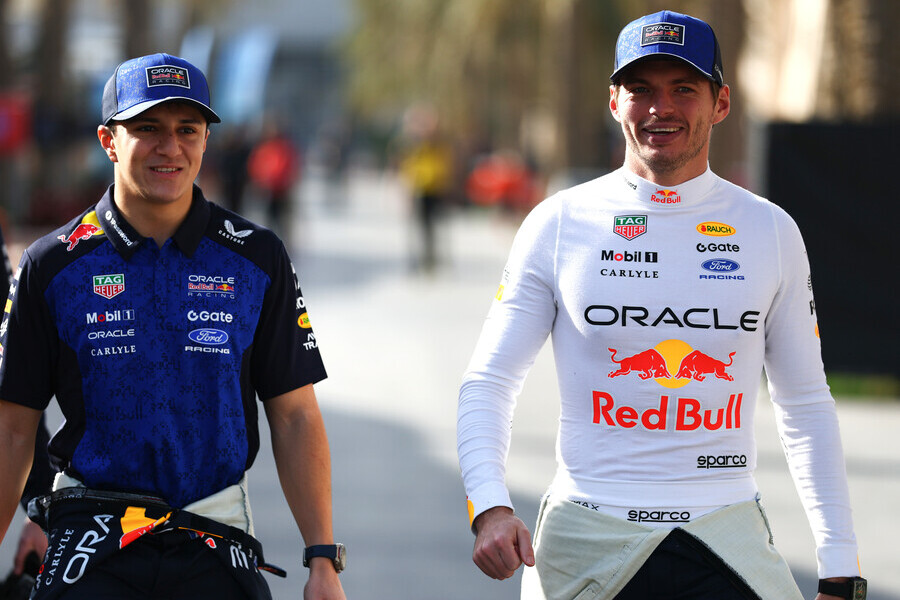
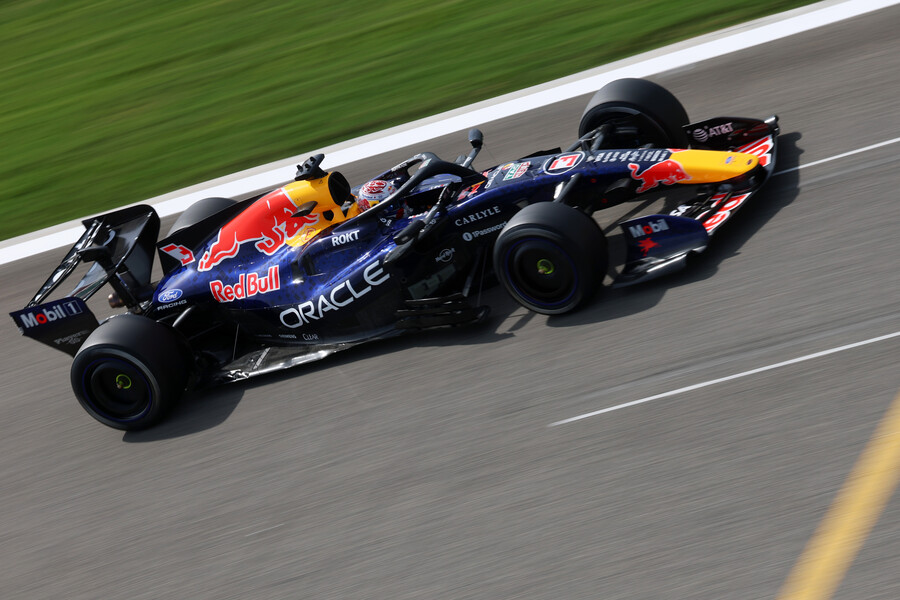
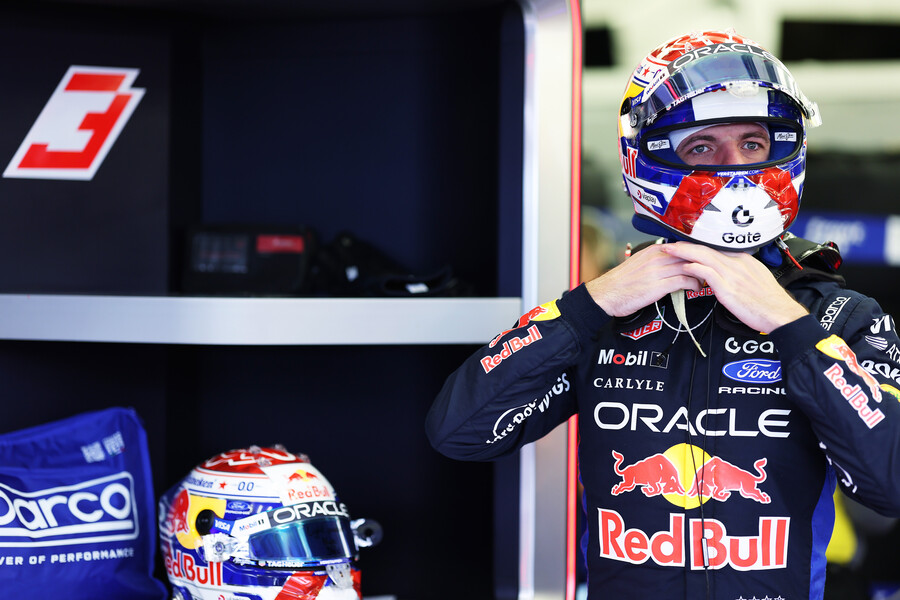
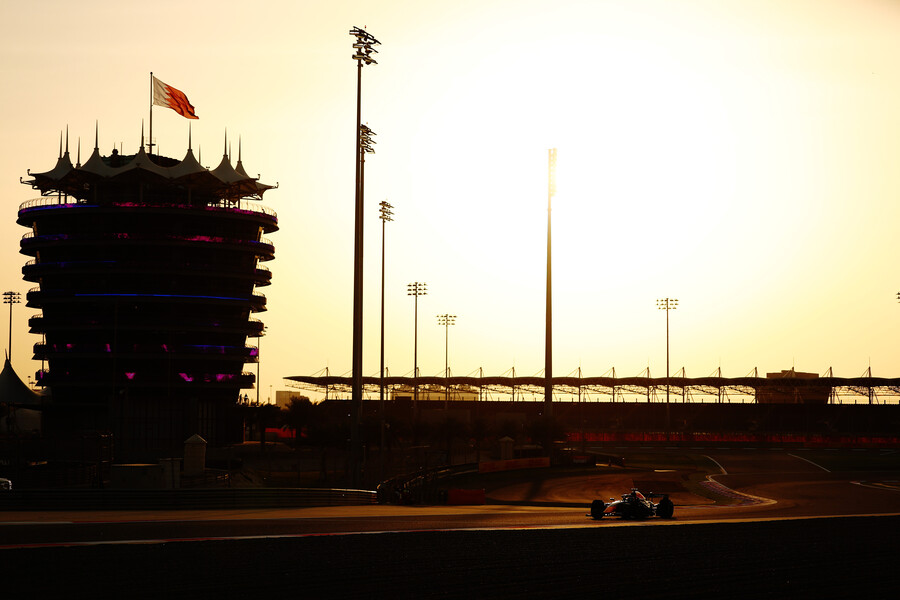
After a hiatus of more than two decades, the iconic American automaker is not just rejoining; they are forging a strategic technical partnership with Red Bull Powertrains, set to redefine the future of the sport with a next-generation hybrid power unit from the 2026 season onward.
Our journey began in the sophisticated confines of the Oracle Red Bull Racing Corporate Box, a hub of high-stakes strategy and cordial camaraderie. The atmosphere was charged with enthusiasm as we chatted with key members of the team, their eyes bright with the promise of this groundbreaking alliance. The conversation flowed from the intricate demands of F1 engineering to the sheer excitement of Ford’s return, painting a vivid picture of innovation on the horizon.
Then came the moment that truly brought the racing dream to life: a tour inside the pit lane. The sheer precision and orchestrated chaos of the team at work was breathtaking. Engineers moved with practiced grace, mechanics honed in on every detail, and the car itself, a marvel of modern technology, sat poised for battle. It was here, amidst the scent of fuel and burning rubber, that the true weight of the Ford partnership began to sink in.
The integration of Ford is far more than a branding exercise; it’s a profound technical and cultural shift. The team elaborated on how this partnership is actively changing Red Bull Powertrains’ technical development and team culture. Ford brings with it a colossal legacy of automotive innovation, vast R&D resources, and a deep-seated performance culture. This influx of expertise, particularly in areas like battery technology and electrification, is supercharging Red Bull’s own powertrain development. Culturally, it introduces a fresh perspective, combining Ford’s robust engineering principles with Red Bull’s agile, aggressive pursuit of victory. It’s a blend of established might and nimble innovation, pushing the boundaries of what’s possible.
As for the key performance and durability benchmarks for this test to be deemed a success, the focus was clear: meticulous data collection. Every lap, every adjustment, every sensor reading contributed to a vast tapestry of information. The benchmarks revolved around optimizing engine mapping, refining energy recovery systems (ERS), and ensuring the new hybrid components could withstand the immense stresses of F1. Reliability was paramount, as was achieving consistent power delivery under various conditions. Success wasn’t just about lap times, but about the foundational knowledge gained for the future.
Looking ahead, the question on every enthusiast’s mind was: Which specific F1 technologies are most likely to appear in future Ford performance cars? The answer was illuminating. Sustainable fuels, already a cornerstone of F1’s future, are a prime candidate for trickle-down. Ford’s commitment to electrification means advancements in ERS, including battery management and motorgenerator units, will undoubtedly find their way into high-performance road cars. Furthermore, the lightweight materials, advanced aerodynamics, and simulation tools developed for F1 will inevitably influence future Ford models, offering consumers a taste of true racing pedigree in their daily drives.
From 2026 to at least 2030, Red Bull Ford will proudly provide the power units for both the Oracle Red Bull Racing and Scuderia AlphaTauri teams. This long-term commitment signals a formidable new chapter in Formula 1. The pre-season testing was more than just a glimpse of the new car; it was an immersive experience into the dawn of a powerful new alliance. The roar of Ford is back, and with Oracle Red Bull Racing, it promises to be louder, faster, and more electrifying than ever before.