


















WITH THE SIX & SIX PRIVATE RESIDENCES DIVISION INTENTIONALLY LIMITING ITS RESIDENTIAL FOOTPRINT. YOU ARE CHOOSING EXCLUSIVITY AND RARITY OVER SCALE. FROM AN INVESTMENT AND STRATEGY PERSPECTIVE, HOW DO YOU EVALUATE THE LONG-TERM FINANCIAL VIABILITY OF A PROJECT WHERE VALUE IS DRIVEN BY SCARCITY RATHER THAN VOLUME?
The industry has been focused on scale for a long time, with success measured through more keys, more units, and more destinations, but in the UHNW segment scarcity itself has become the defining marker of luxury.
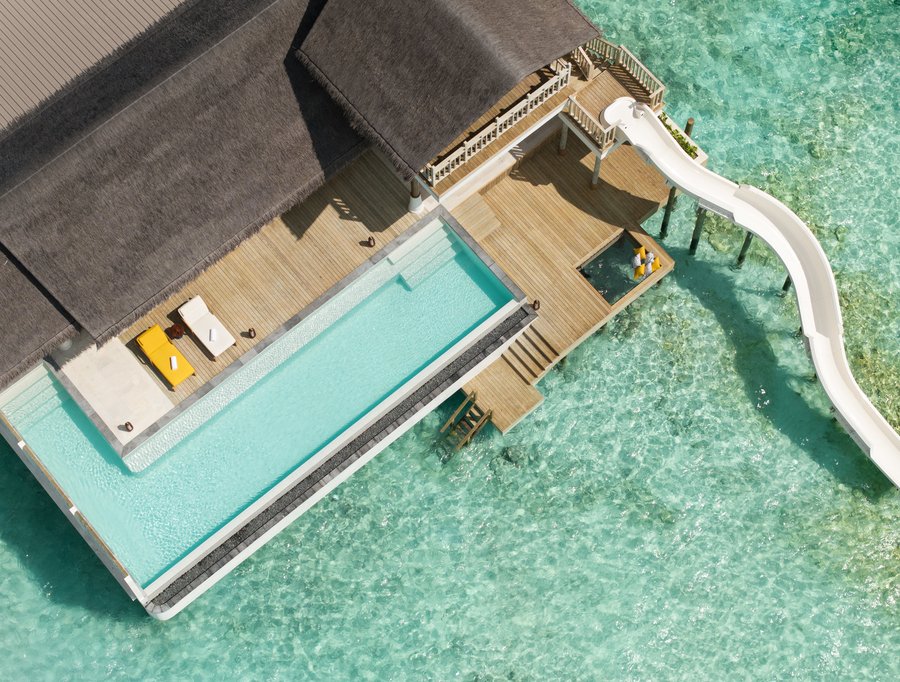
With SIX & SIX PRIVATE RESIDENCES, the residential footprint has been kept deliberately limited and integrated within the wider resort rather than developed as large standalone inventory, so homeowners have access to a private residential setting while remaining connected to the broader resort ecosystem, including lifestyle, service, wellness, and operations.
The model is not volume-driven and is not structured around traditional sales cycles. Value is being protected through scarcity, privacy, and long- term ownership, with residences positioned less as inventory and more as assets intended to hold emotional and financial value over time
THE LUXURY BRANDED RESIDENCE MARKET IS CURRENTLY HYPER-COMPETITIVE. WHEN BIDDING FOR PRIZED DEVELOPMENT OPPORTUNITIES AGAINST GIANT GLOBAL LEGACY HOTEL BRANDS, WHAT IS THE SPECIFIC ASSET-OWNER ADVANTAGE THAT THE SIX & SIX PRIVATE RESIDENCES MODEL PITCHES THAT THESE CORPORATE GIANTS SIMPLY CANNOT MATCH?
The large global brands absolutely bring strength in terms of systems and distribution. But sometimes that scale also creates rigidity. What we offer residential owners is something much more tailored. We are not applying a global template onto a destination. We are building around the soul of the place itself. Because we are highly curated and guided by a clear philosophy, we can respond with greater sensitivity and flexibility. This makes our conversations more collaborative, creative, and personal.
I also believe there is growing fatigue around branded luxury becoming overly standardised. Many UHNW buyers today want something that feels rare, deeply considered, and emotionally distinct – not another version of the same global experience replicated everywhere.
That is where our advantage sits. We are building identity, not just branded real estate.
THE “ART OF LIVING” PHILOSOPHY RELIES ON ARCHITECTURE AND MATERIALS THAT ENDURE FOR GENERATIONS SINCE TRADITIONAL FINANCIAL MODELS PRIORITIZE QUICK PAYBACK PERIODS AND SHORT-TERM INTERNAL RATE OF RETURN (IRR), HOW DO YOU UNDERWRITE THE HIGH UPFRONT COST OF GENERATIONAL CRAFTSMANSHIP WITHOUT COMPROMISING NEAR-TERM INVESTOR RETURNS?
Traditional development models often treat craftsmanship as a cost, while we see it as long-term value preservation. The upfront investment is higher when you use materials that age well, architecture designed for longevity, and infrastructure built to last, but branded residences within a resort environment operate differently from standalone residential assets.
Because these residences sit within a wider luxury resort ecosystem, owners have the option to place their homes into a professionally managed rental programme when they are not in residence, creating an additional revenue stream without diluting the exclusivity of the asset. The wider resort offering. including hospitality services, wellness, and operations, supports long-term desirability and pricing stability. From the outset, the focus is lifecycle performance and operational efficiency. The return is not only in rental yield and appreciation, but in the enduring value of a highly limited residence within a fully serviced ultra-luxury environment
BUILDING ULTRA-LUXURY RESIDENCES IN FRAGILE OR REMOTE ENVIRONMENTS REQUIRES SELF-SUSTAINING INFRASTRUCTURE. WHAT IS THE MOST COMMON LINE-ITEM OR OPERATIONAL BLIND SPOT DEVELOPERS’ UNDER-BUDGET WHEN CALCULATING THE LONG-TERM COST OF OFFSHORE SUPPLY CHAINS AND ZERO- WASTE MANAGEMENT?
The biggest blind spot is operational continuity. People usually budget for construction but underestimate is the complexity of maintaining ultra-high standards in remote environments year after year. Things like offshore logistics, specialist labour, energy redundancy, waste management systems, and spare-part access become operational ecosystems of their own.
Zero-waste ambitions, for example, sound very attractive in presentations. But in reality, they require constant discipline, infrastructure, partnerships, staff training, and ongoing investment. In remote luxury environments, sustainability is not an add-on. It becomes part of the operational backbone of the entire project.
PLACING HIGH-END DESIGN AT THE MERCY OF HARSH MARINE ELEMENTS ACCELERATES STRUCTURAL DEPRECIATION. TO PROTECT THE BUYERS’ LONG-TERM EQUITY, HOW DO YOU MATHEMATICALLY OFFSET THESE AGGRESSIVE TROPICAL MAINTENANCE CYCLES WITHIN THE PROPERTY’S ONGOING RESERVE FUND STRUCTURES?
Marine environments place significant stress on buildings, with salt, humidity, and UV exposure accelerating material ageing, which makes it risky to treat reserve planning as if conditions are neutral. Maintenance thinking starts early in the design phase, focusing on how materials will perform over time, how often components may need replacement, and how accessible maintenance will be once the residences are operational.
We prioritise materials that weather naturally rather than those that constantly resist the environment, which is particularly important in tropical settings where exposure is continuous and long-term performance matters more than initial appearance. Reserve structures should be transparent from the outset, with lifecycle costs properly reflected rather than adjusted to improve early projections.
AN ULTRA-EXCLUSIVE RESIDENTIAL COMMUNITY DEMANDS A DEEPLY PERSONALISED SERVICE PHILOSOPHY. AS SIX & SIX PRIVATE RESIDENCES GROWS, WHAT GUARDRAILS, TRAINING FRAMEWORKS, AND CULTURAL PRACTICES ARE IN PLACE TO ENSURE THAT SCALE NEVER COMES AT THE EXPENSE OF INTIMACY, INDIVIDUAL RECOGNITION, AND THE HIGHLY BESPOKE EXPERIENCE THAT DISCERNING HOMEOWNERS EXPECT?
SIX & SIX is built around a simple idea that luxury should respond to the individual rather than requiring the individual to adapt to a predefined experience particularly as brands scale and intimacy is often the first thing to be diluted.
The residences are integrated within the wider SIX & SIX ecosystem rather than operating as standalone assets, which allows homeowners to retain privacy while also having access to the resort’s service, wellness, dining, and operational infrastructure. The butler system sits at the centre of this experience, with continuity and familiarity developed over time so that support becomes based on understanding individual preferences, routines, and expectations rather than transactional service delivery.
Training goes beyond operational delivery into observation, cultural awareness, behavioural understanding, and long-term familiarity with each homeowner. Scale is intentionally controlled through smaller communities, limited residences, and higher staffing ratios, which helps maintain continuity between homeowners and the team. The experience is designed to remain personal and intuitive in practice rather than procedural in delivery.
THE MODERN ULTRA-HIGH-NET-WORTH (UHNW) BUYER INCREASINGLY VIEWS LUXURY THROUGH THE LENS OF WELLNESS. PRIVACY, AND FUNCTIONAL DESIGN RATHER THAN OVERT OPULENCE. HOW HAS THE SIX & SIX PRIVATE RESIDENCES ARCHITECTURAL AND MASTER-PLANNING STRATEGY EVOLVED TO CAPTURE THIS SHIFT TOWARD UNDERSTATED LUXURY WITHOUT LOSING ITS PREMIUM MARKET POSITION?
Today’s UHNW buyer is more understated, and the shift is very noticeable. People are looking for privacy, calm, emotional wellbeing, functional beauty, and spaces that support how they want to live, which has influenced our architecture and master planning quite significantly.
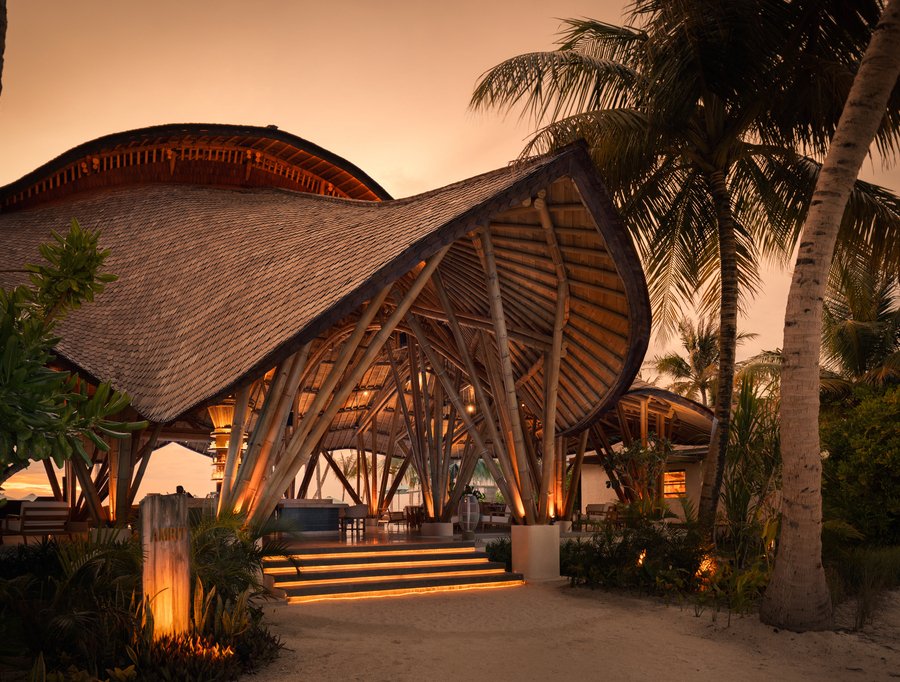
We focus more on proportion, natural materiality, ventilation, spatial flow, acoustics, landscape integration, and emotional comfort, with wellness embedded quietly into the experience rather than presented theatrically. This approach requires restraint and confidence because understated luxury is harder to execute well, where every detail carries more weight. For us, luxury is about creating environments that feel timeless, deeply personal, and emotionally restorative.