


















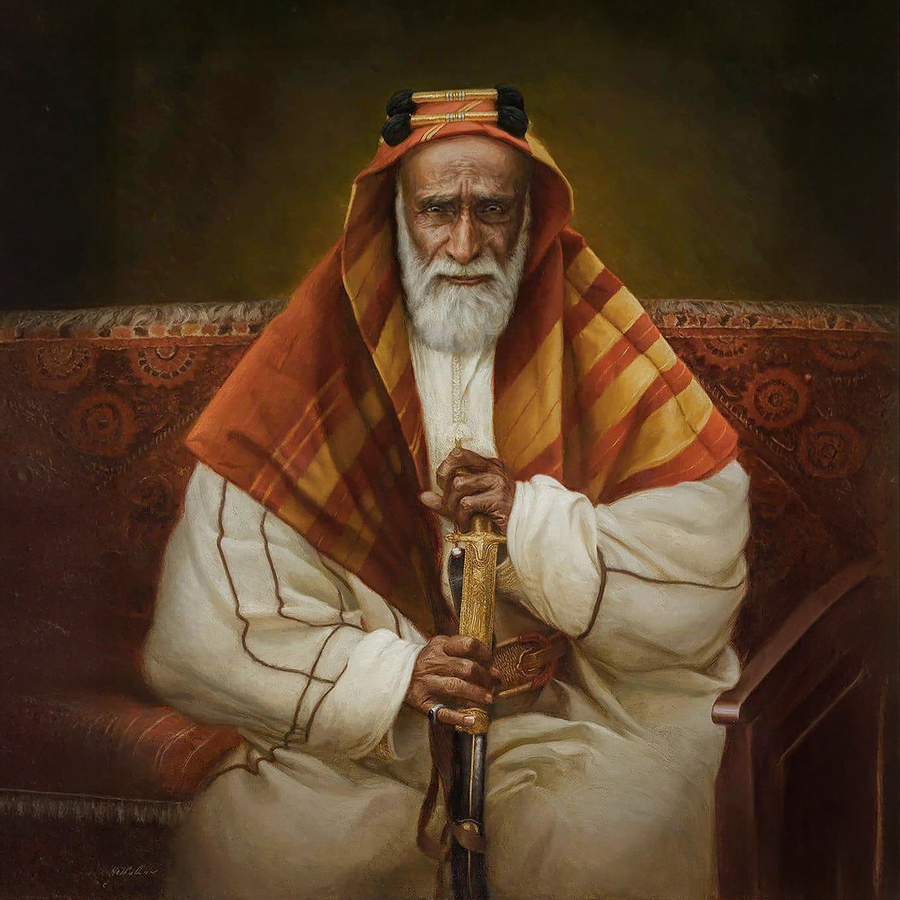
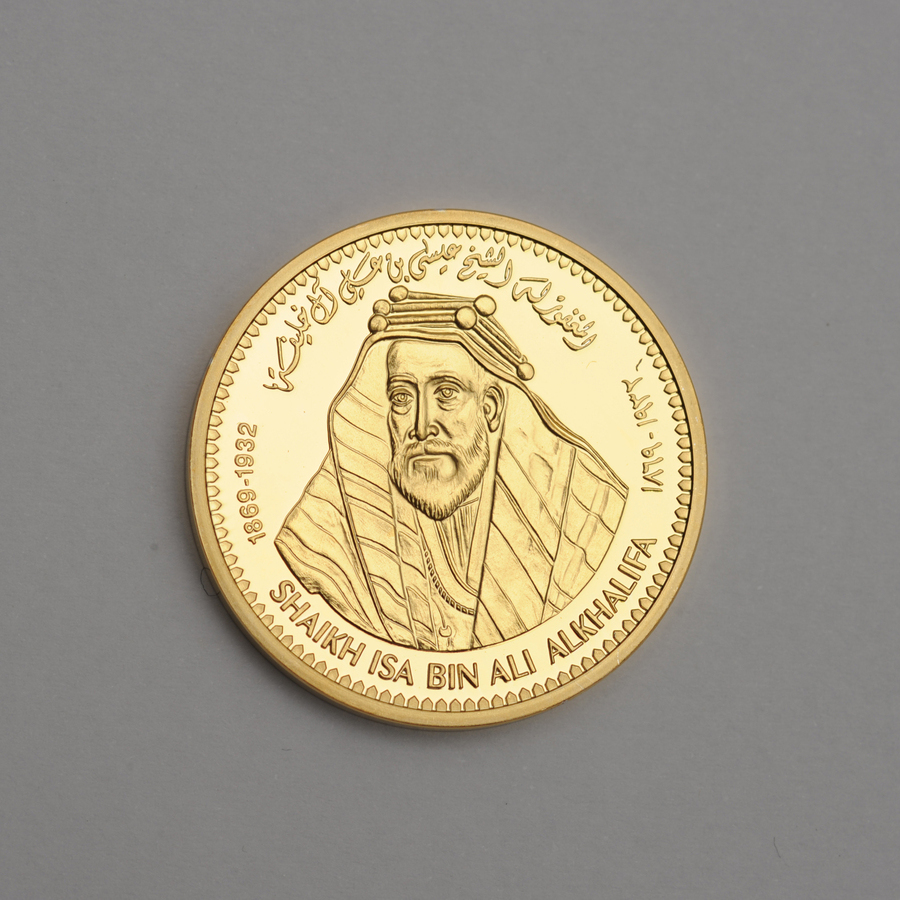

In 2026, Bahrain is marking a historic milestone through the designation of the Year of Isa Al Kabeer, a national initiative that celebrates the life and legacy of Shaikh Isa bin Ali Al Khalifa, widely regarded as one of the most influential figures in the Kingdom’s modern history. The year-long commemoration highlights the contributions of a leader whose reign laid the groundwork for the development of Bahrain’s early institutions and governance structures.
Shaikh Isa bin Ali Al Khalifa ruled Bahrain from 1869 to 1932, making his tenure one of the longest in the region’s history. Over more than six decades, Bahrain experienced a period of transformation that saw the country gradually move from a traditional pearling economy toward a more structured administrative and political system. Under his leadership, Bahrain began to develop the institutional foundations that would later support the Kingdom’s modernization.
Isa Al Kabeer’s era was defined by a careful balance between tradition and reform. His leadership helped establish administrative frameworks that strengthened governance while preserving the social fabric of Bahraini society. During this period, Bahrain saw the introduction of more organized legal and administrative systems, steps that contributed to shaping the structure of the modern state.
The designation of the Year of Isa Al Kabeer reflects a broader effort to preserve Bahrain’s historical memory and strengthen awareness of the milestones that shaped the nation’s identity. Through cultural initiatives, heritage programs, and educational activities, the year provides an opportunity to revisit the achievements and values associated with Isa Al Kabeer’s leadership.
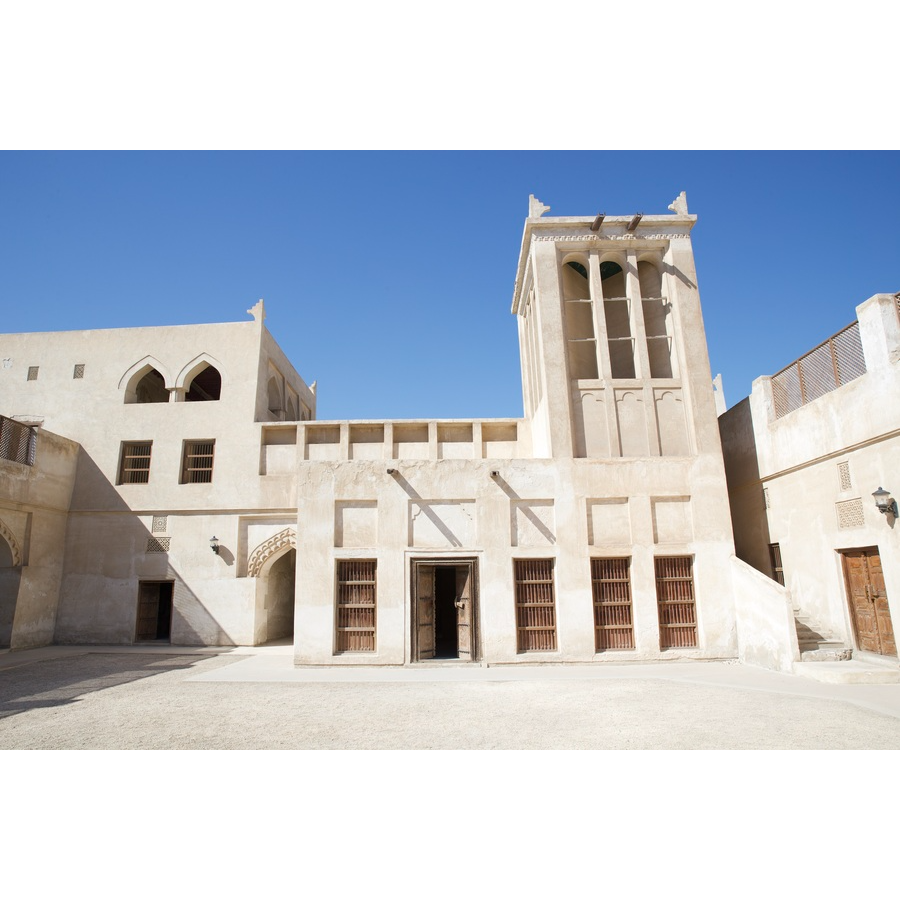
Muharraq, the historic capital of Bahrain during much of Isa Al Kabeer’s reign, plays a central role in this commemoration. The city remains home to numerous landmarks connected to Bahrain’s early political and cultural life, and restoration projects linked to the initiative aim to preserve these sites as living reminders of the country’s history. Heritage spaces associated with Isa Al Kabeer and his era are being revisited as part of wider efforts to safeguard Bahrain’s architectural legacy.
The initiative also carries a cultural dimension that goes beyond historical preservation. By revisiting the legacy of Isa Al Kabeer, the Year seeks to strengthen the connection between Bahrain’s past and its present. Public programs, exhibitions, and academic discussions aim to provide deeper insight into the historical circumstances that shaped the Kingdom during the late nineteenth and early twentieth centuries.
Historians often describe Isa Al Kabeer as a figure who guided Bahrain through a period of significant regional change. His reign coincided with a time when Gulf societies were adapting to shifting political and economic dynamics. Through diplomacy and measured governance, he helped maintain stability and continuity while navigating these transformations.
The values associated with his leadership remain a central theme in the national narrative. Prudence, moderation, and a commitment to social cohesion are often highlighted as defining characteristics of Isa Al Kabeer’s approach to governance. These qualities continue to resonate in contemporary discussions about Bahrain’s development and leadership.
Ultimately, the Year of Isa Al Kabeer is not only about remembering a historical figure. It is about recognizing the role that thoughtful leadership and institutional foundations play in shaping the longterm trajectory of a nation. By reflecting on this pivotal chapter in Bahrain’s history, the initiative offers a deeper understanding of the origins of the modern Bahraini state.
As the Kingdom observes this commemorative year, the legacy of Isa Al Kabeer stands as a reminder that the progress of a nation is often rooted in the vision of those who guided it through earlier generations. His influence continues to echo through Bahrain’s institutions, its heritage, and the story of its evolution into the modern state it is today.